
Have you ever made an effort to take photos with your family on a trip, only to look through them later and feel like something is missing? You captured the landmark, the hotel room, and group pictures of the family on different outings. However, it somehow feels like you missed the personality of the place and the small moments you wanted to remember. You wanted travel photos that told the story of your trip in a way you truly loved.
This is a common experience for people who are creative, and especially if you are a parent. You spend so much mental energy preparing, and facilitating the experience for your family; remembering to take photos at all is a win in itself!
The good news is that taking better travel photos does not mean taking hundreds more pictures. It means having a simple, intentional photography approach before you go. Knowing the kinds of photos you want to take helps you capture them more thoughtfully, and put the camera away more easily. You will come home with images that tell a story and help your family remember the trip more clearly.
Travel Photos to Take on Your Next Vacation
Implementing one or more of the following photo approaches can help you capture the full feeling of your trip, from the classic group shots to the tiny details that make the memory feel personal.

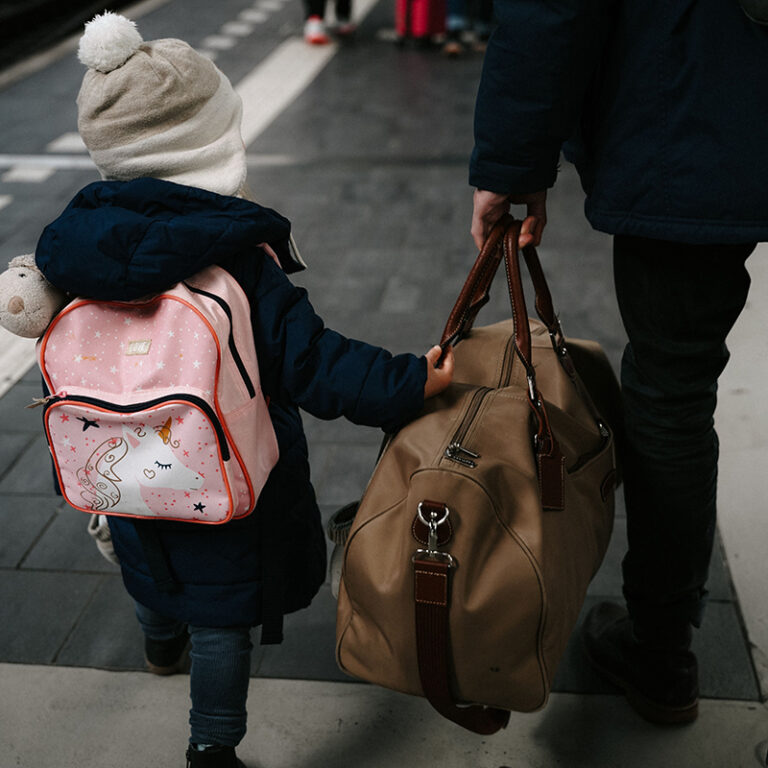
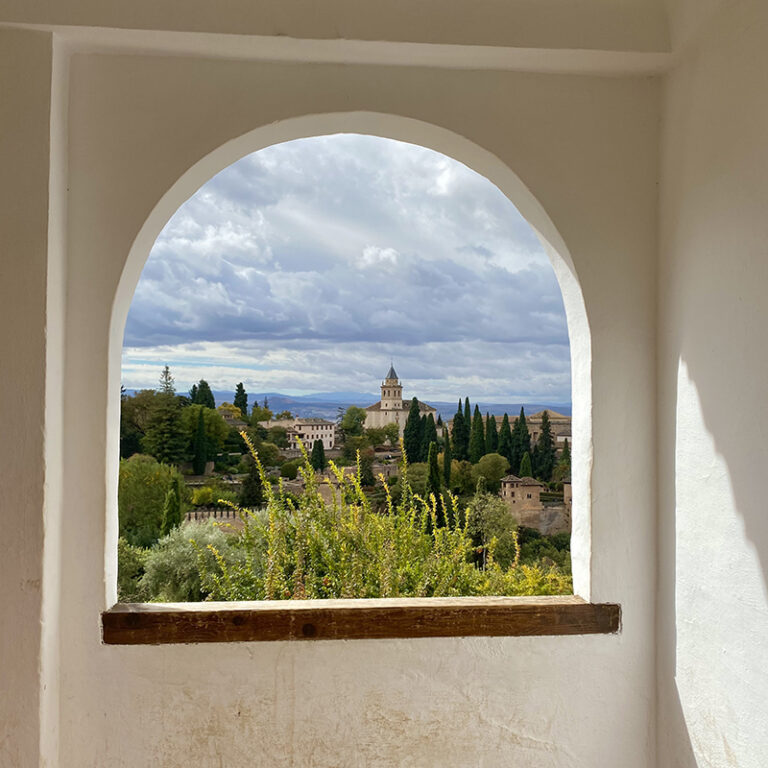
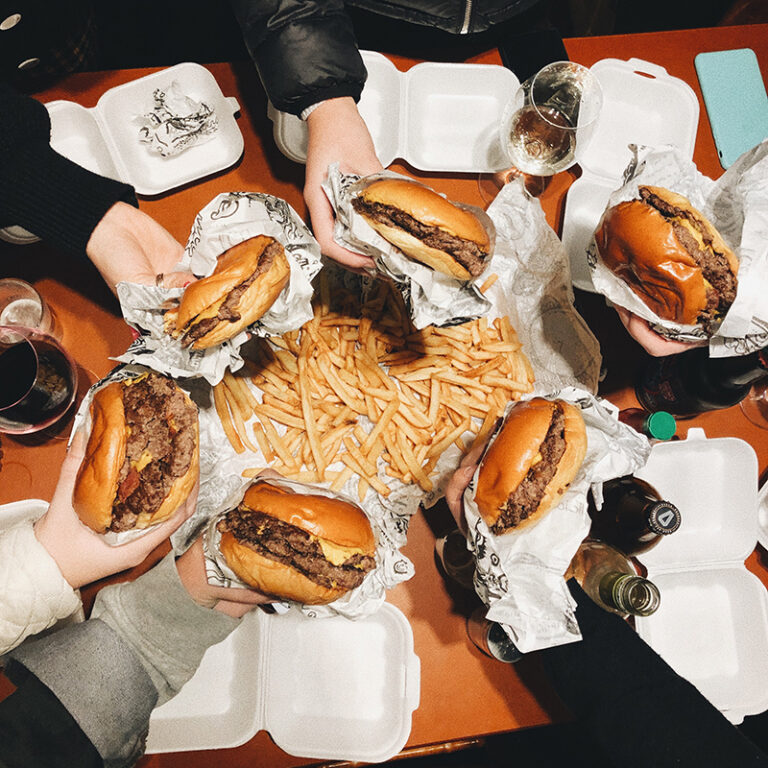
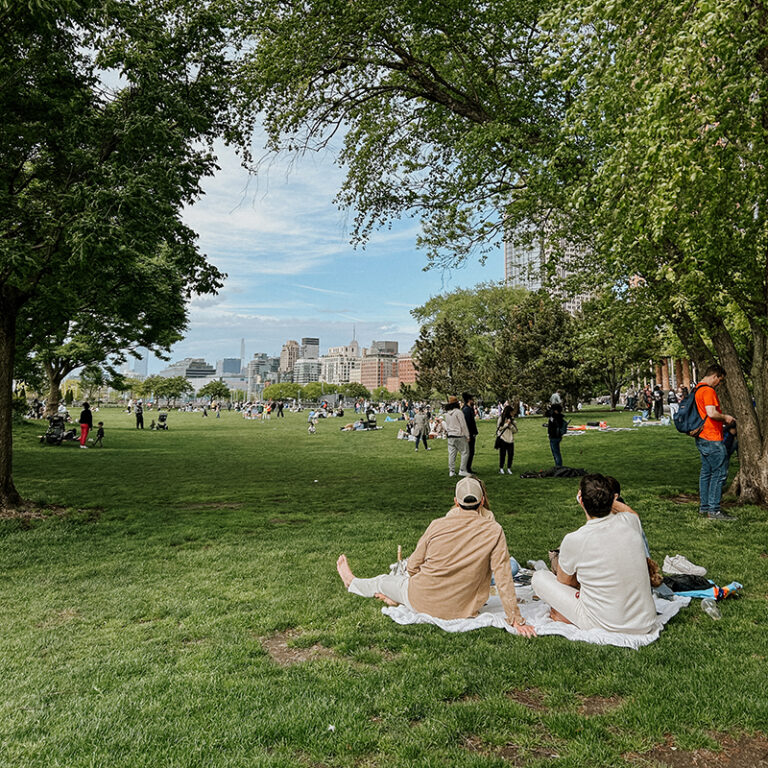
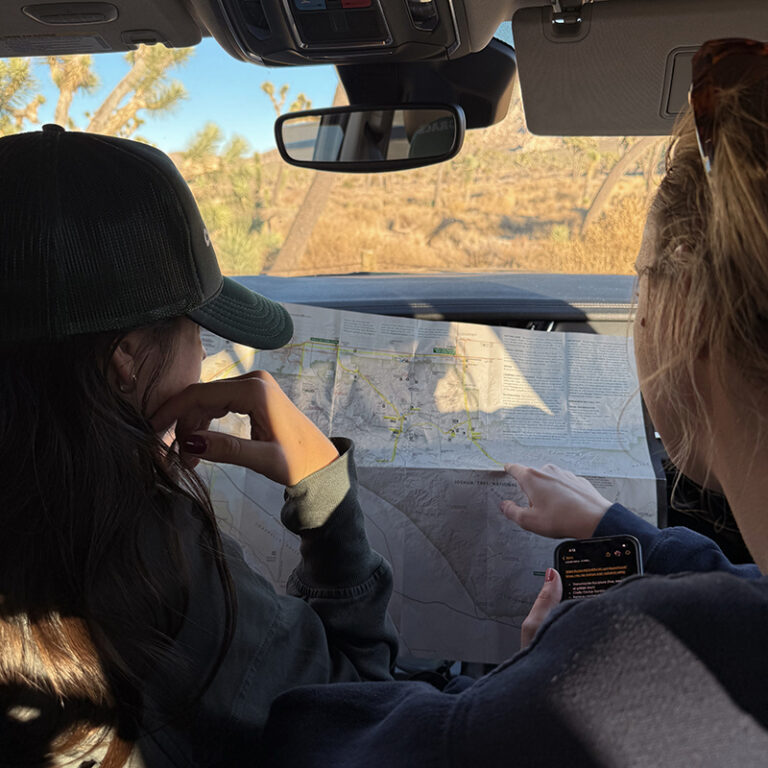
Your Point-of-View Photos
Goal: Capture What It Felt Like to Be There
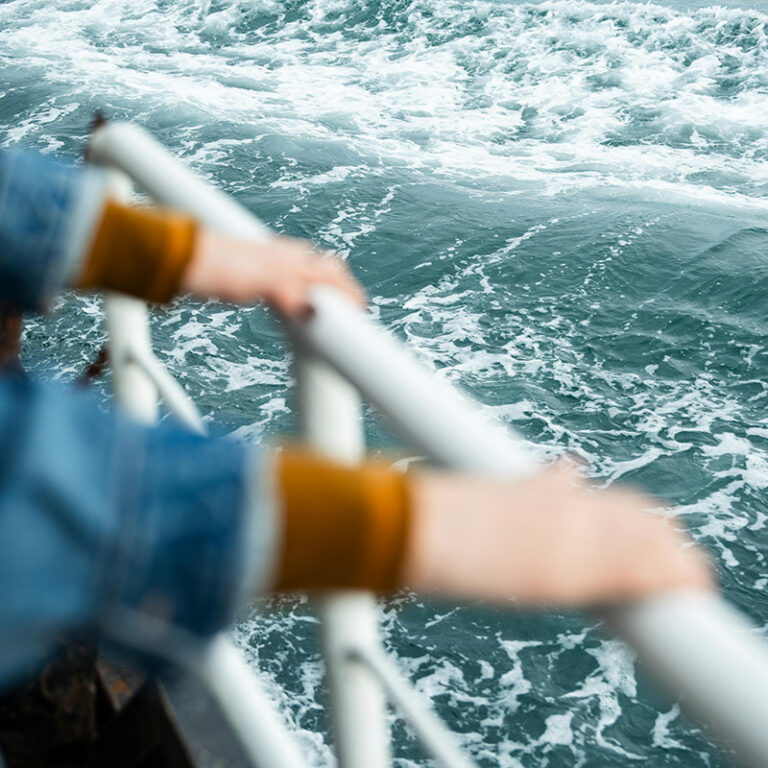
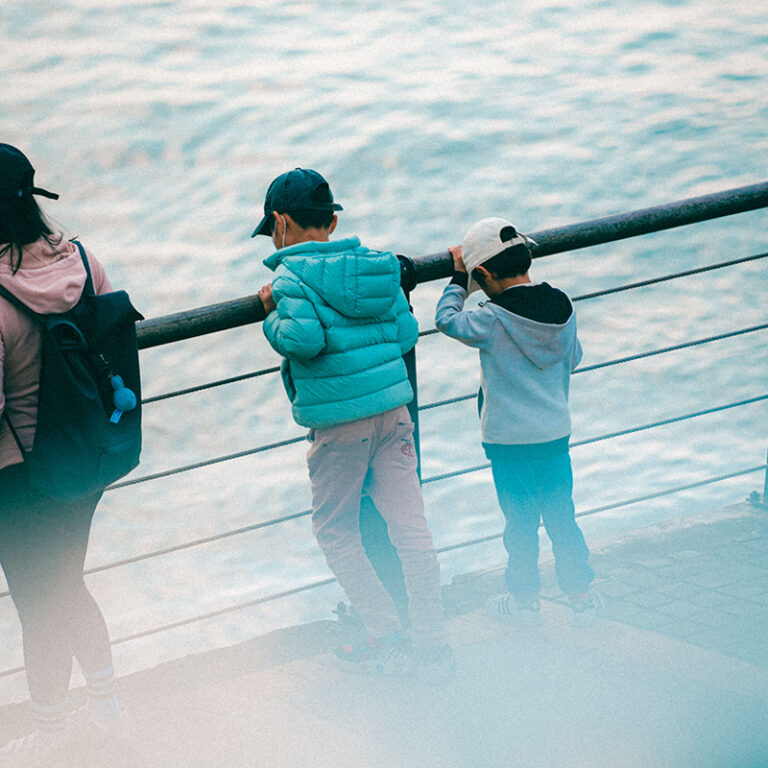
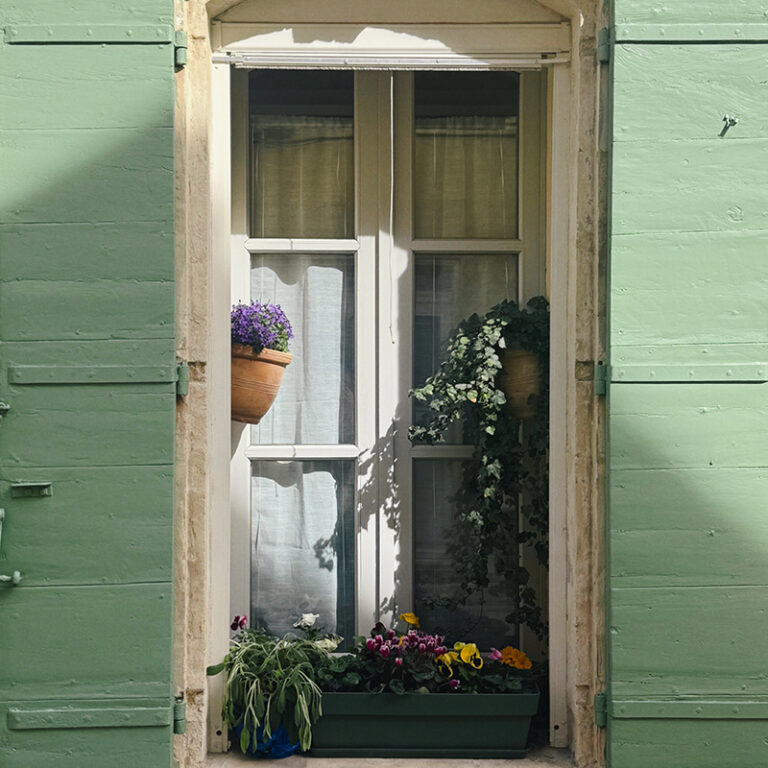
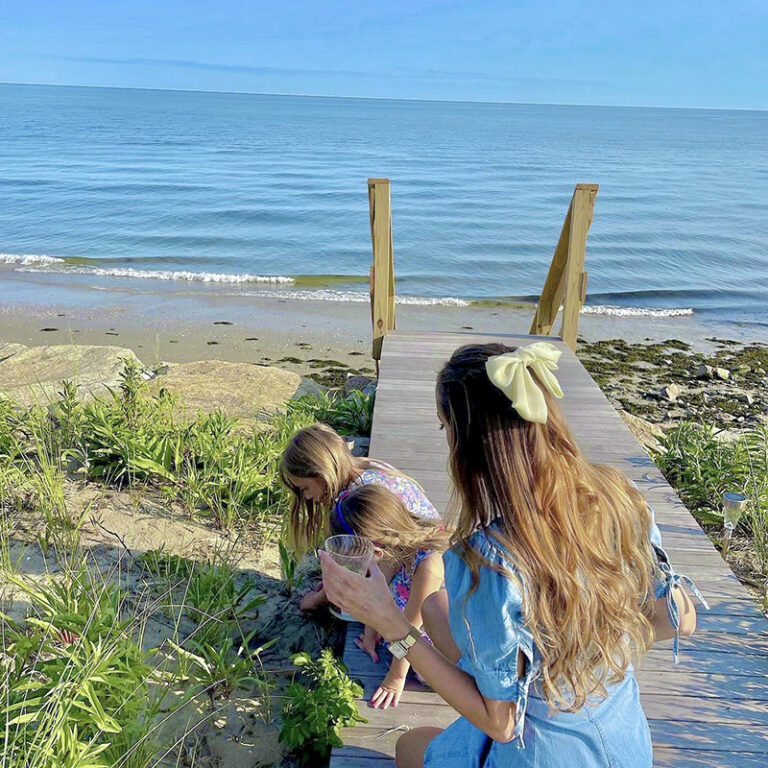
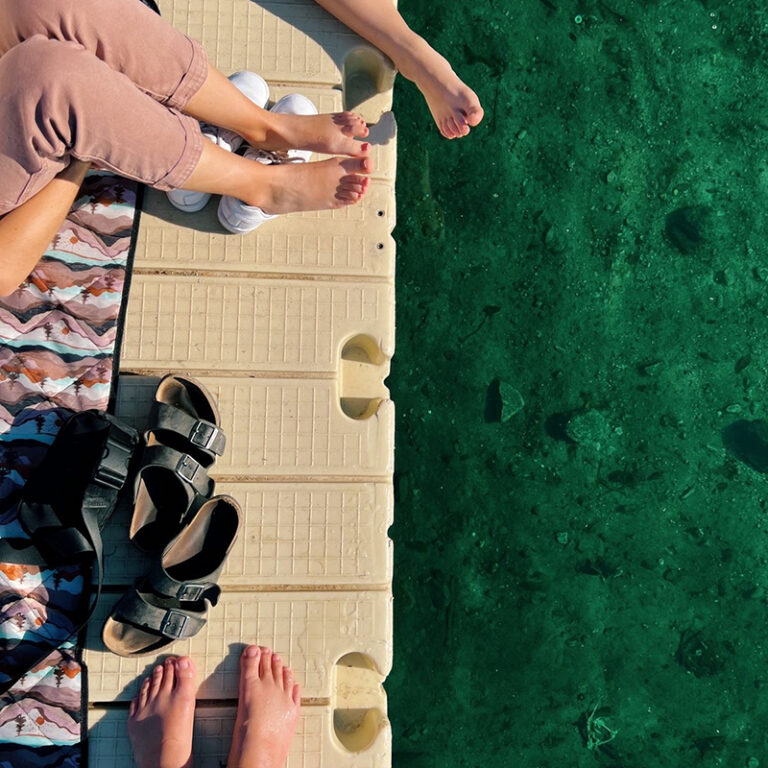
Your point of view matters. These are the photos that show what the trip looked like through your eyes: the view from your hotel window, the doorway you walked through each morning, the wristband your child wore into the ruins, or the view from the bench where you sat to rest. These unexpected angles often bring back the memory more vividly than a standard posed photo.
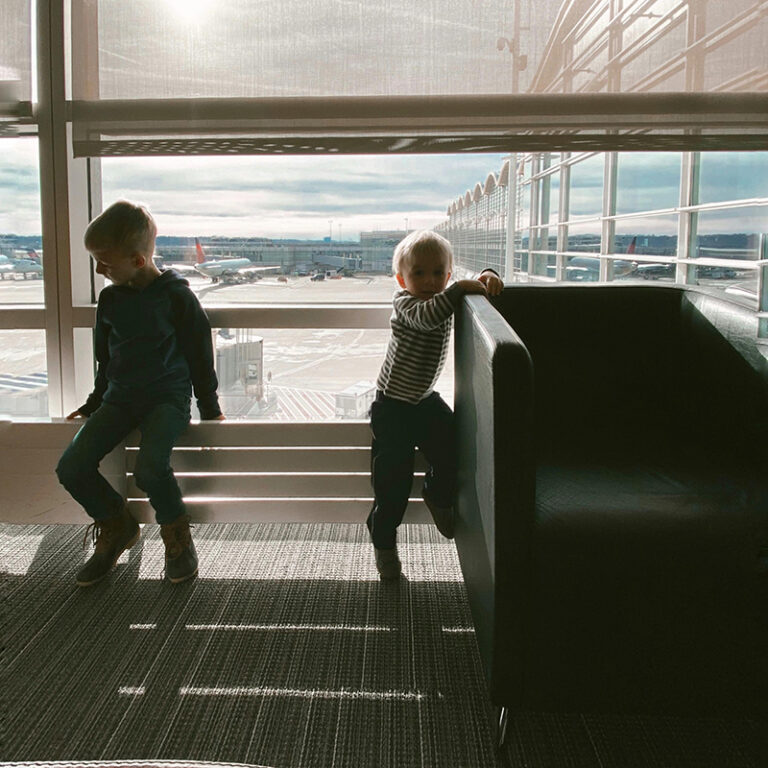
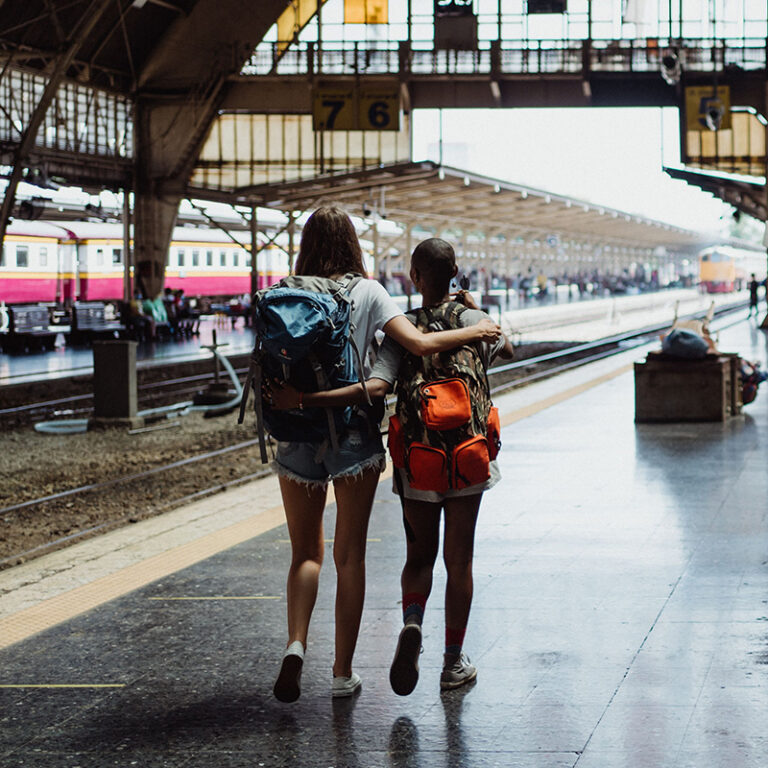
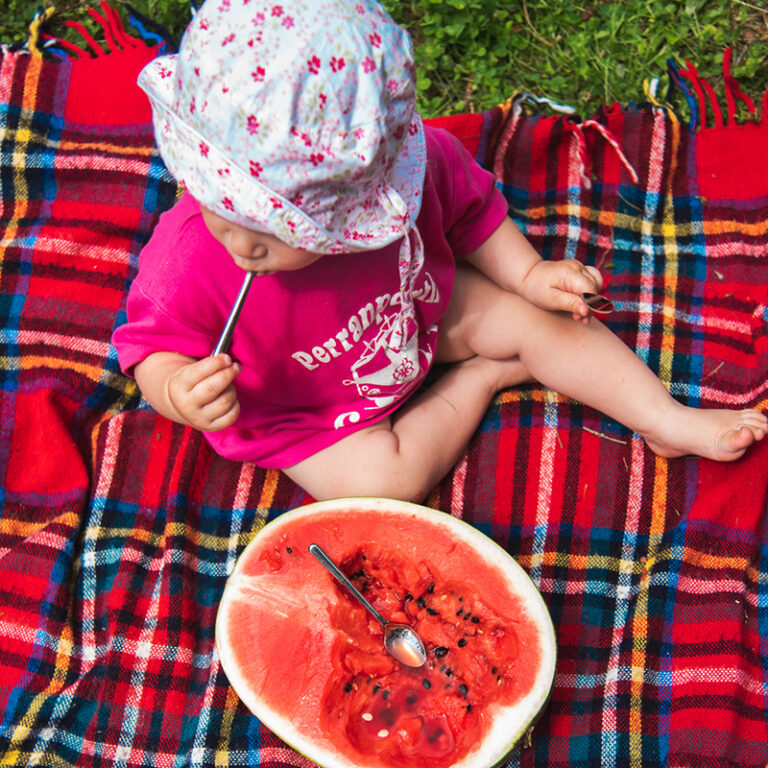
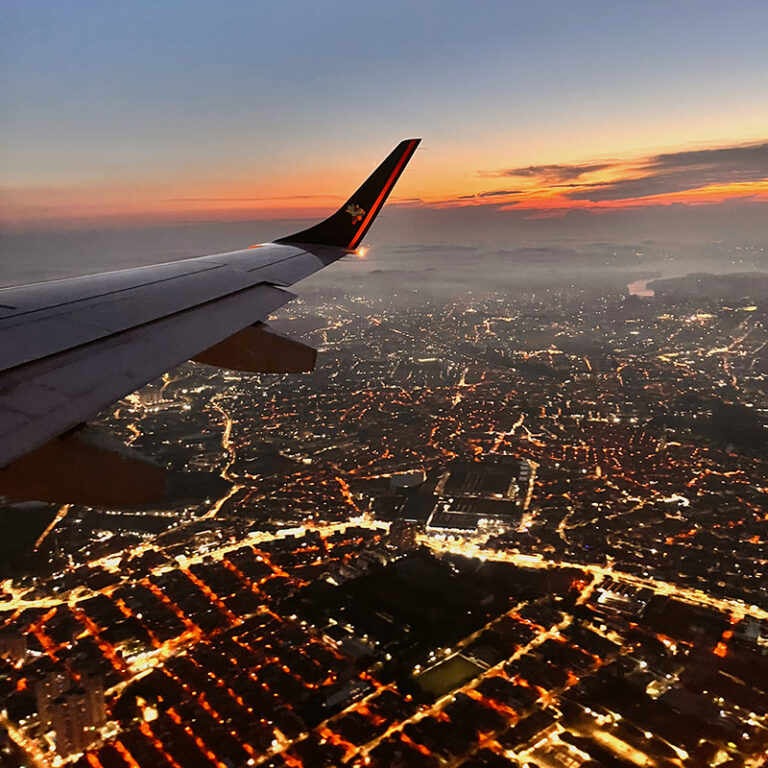
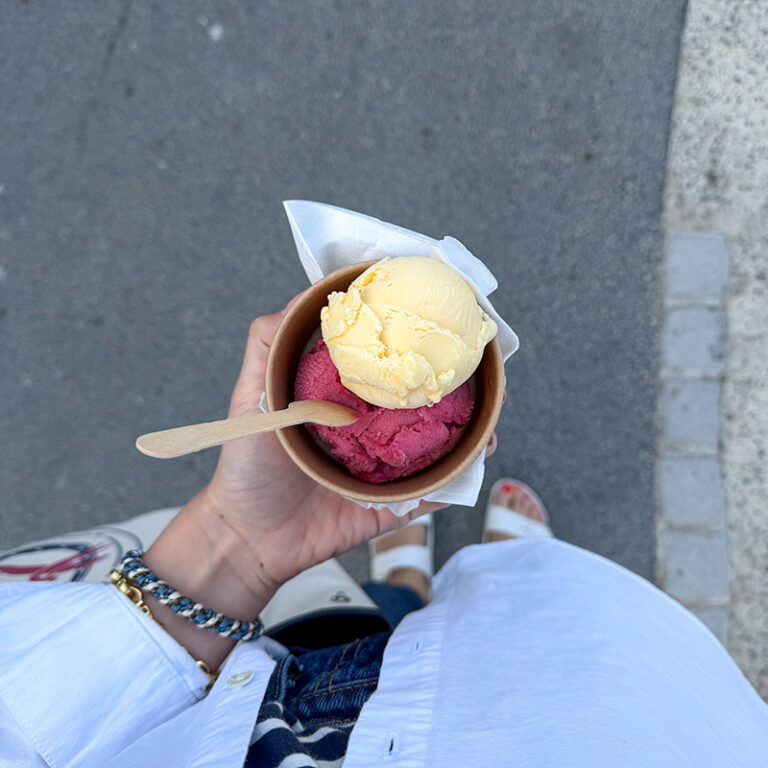
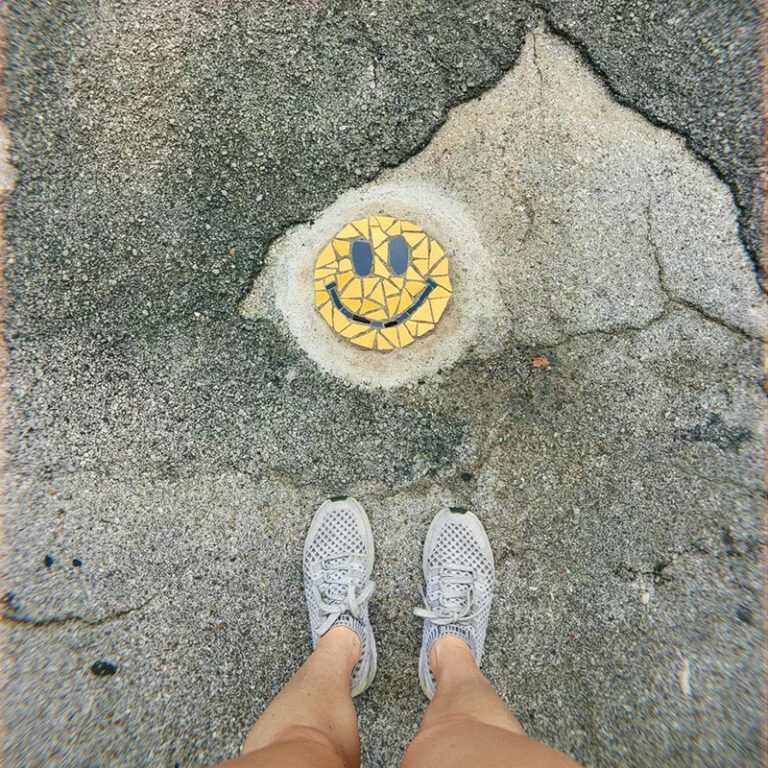
Hands make wonderful point-of-view photos. Photograph your child holding a shell, your coffee beside a map, a souvenir in your palm, everyone holding ice cream cones, or little hands gripping a ferry railing. Transportation photos can also be surprisingly meaningful: the rental car packed with bags, the subway ride, the ferry, the airport window, or the stroller rolling down an unfamiliar street.
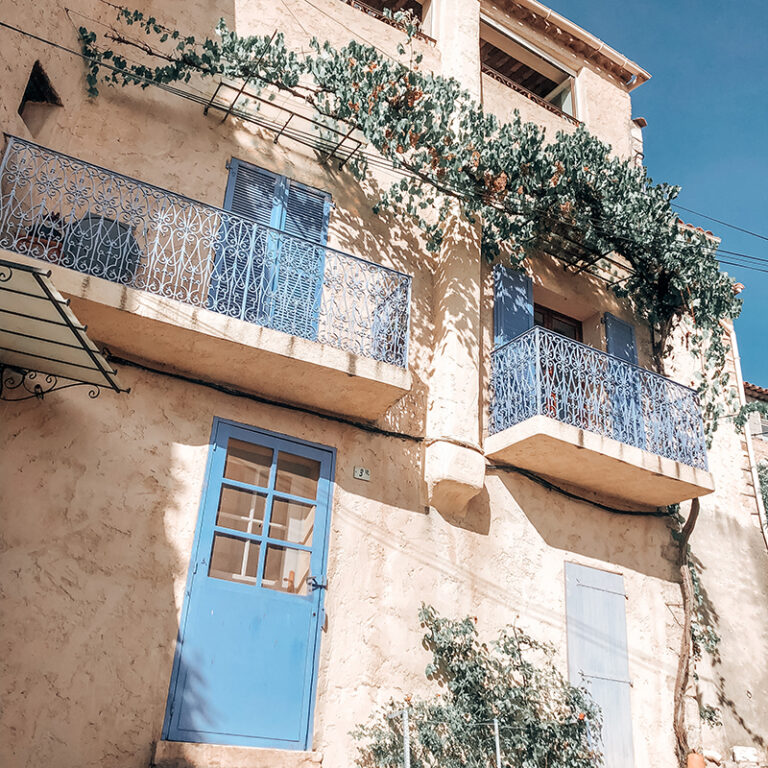
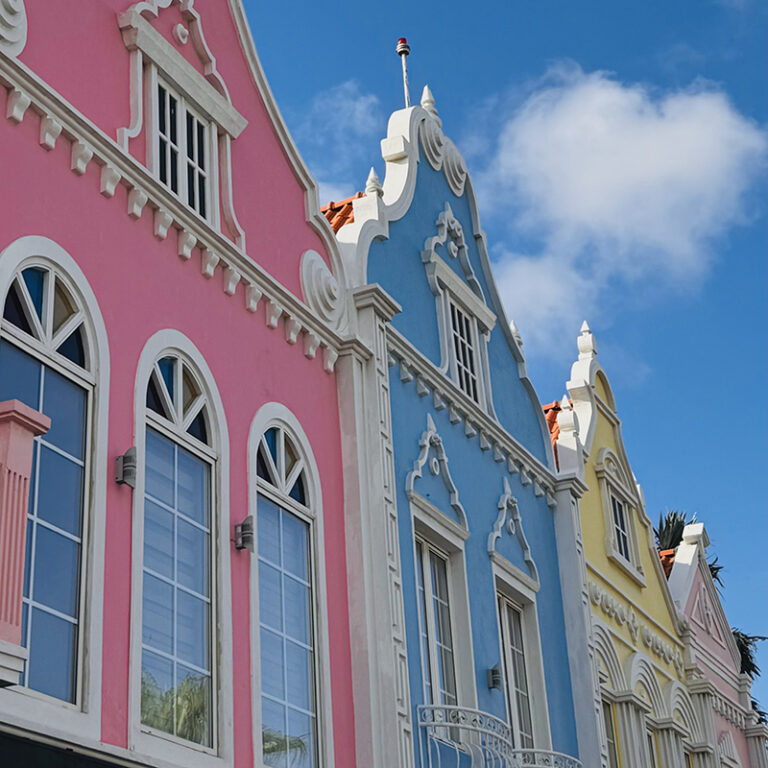
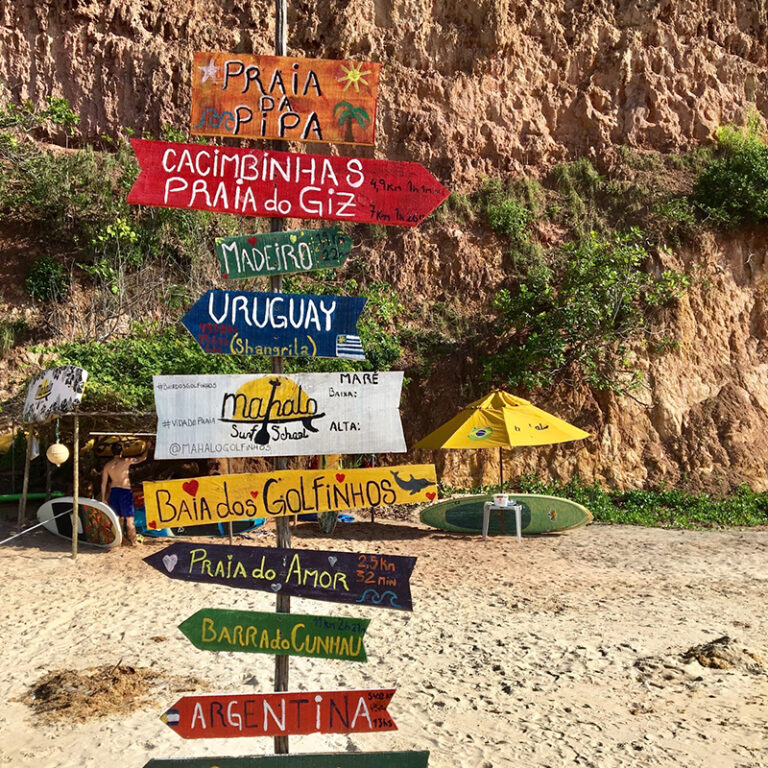


The Vibe Photos
Goal: Capture the Personality of the Place
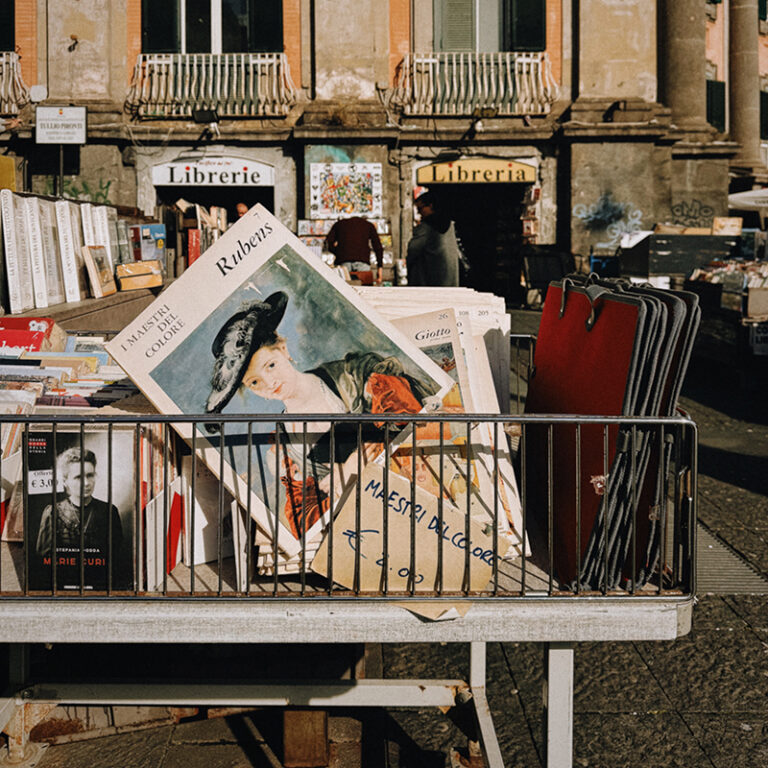
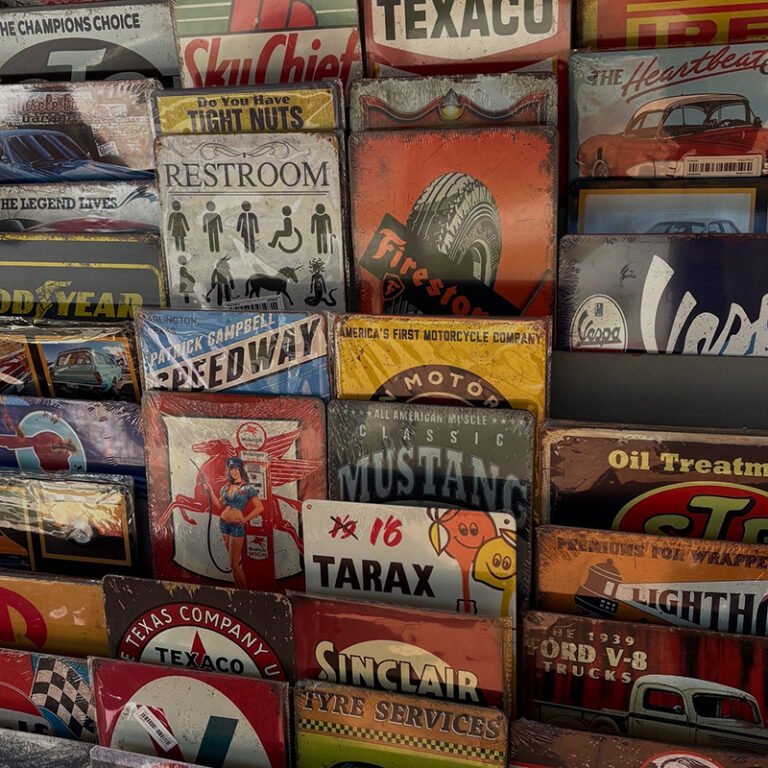
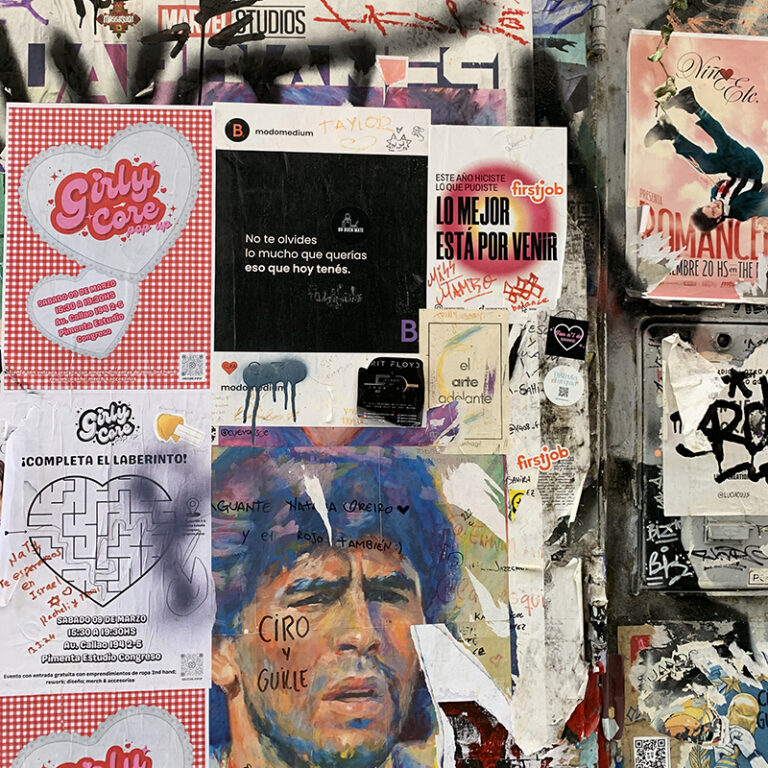
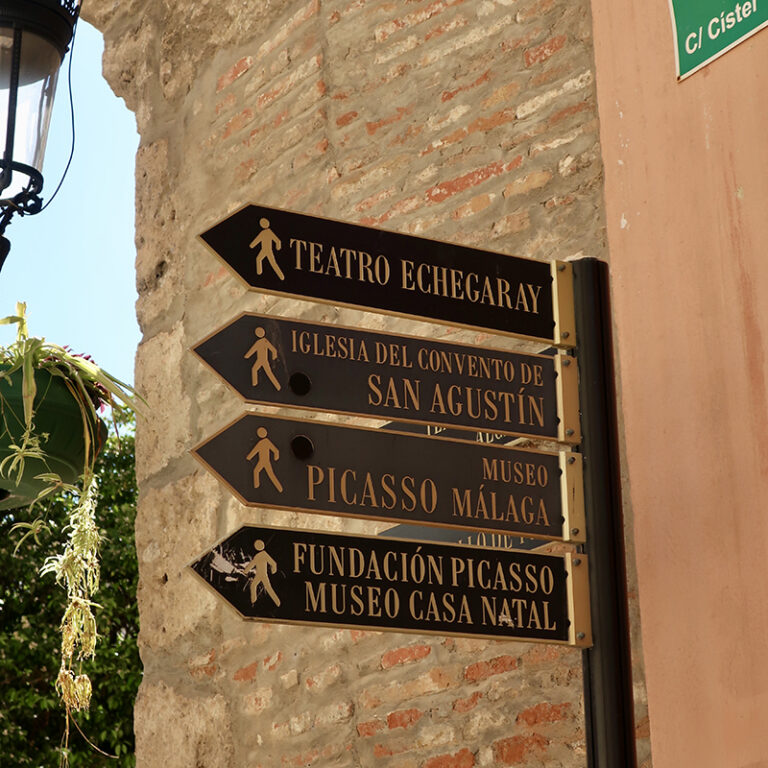
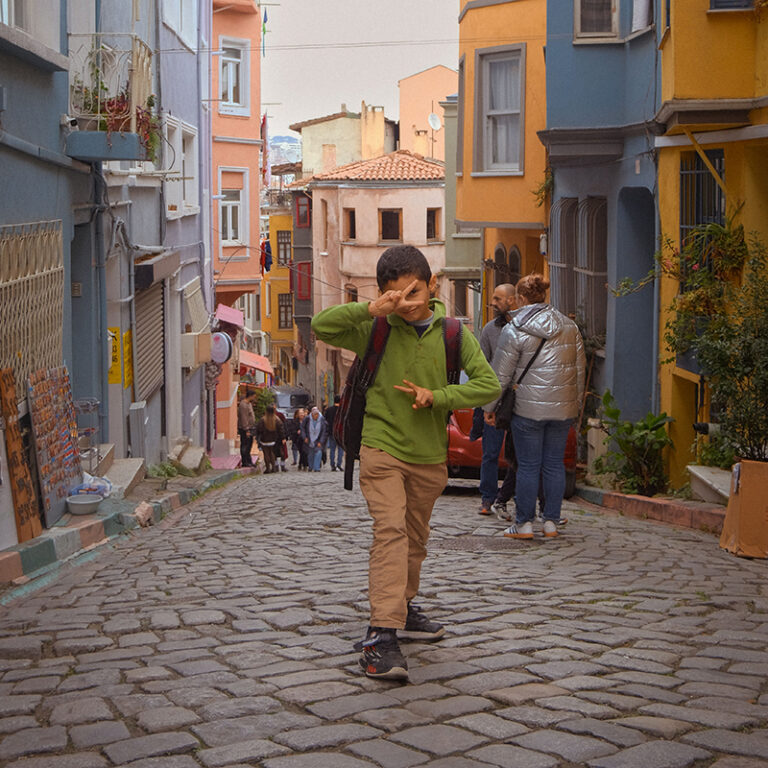
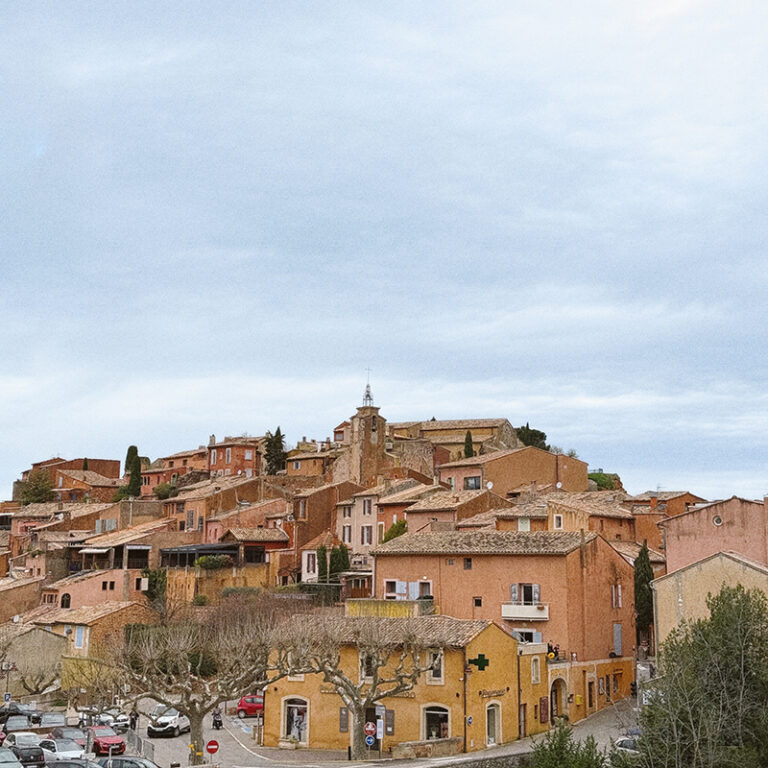
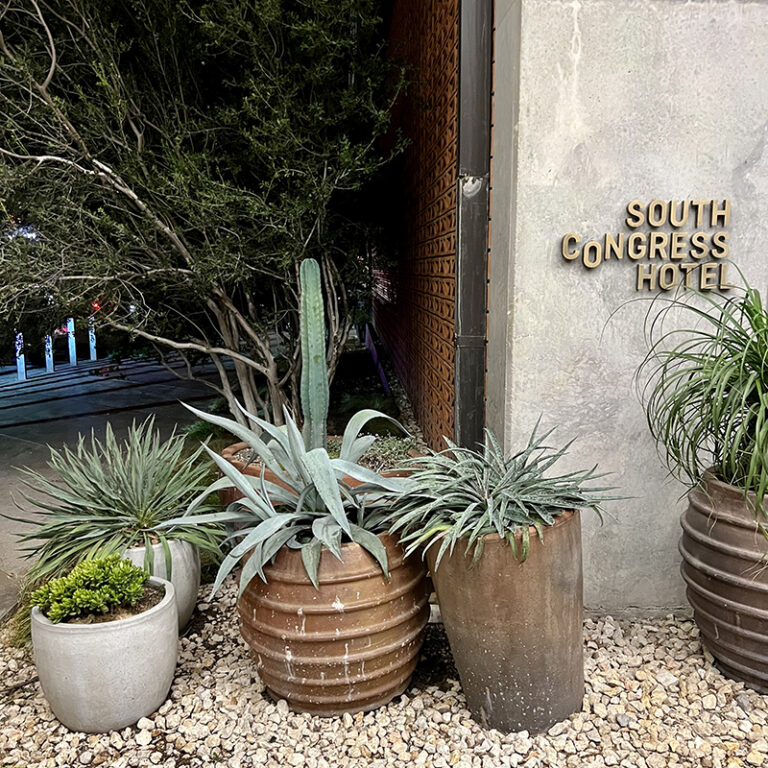
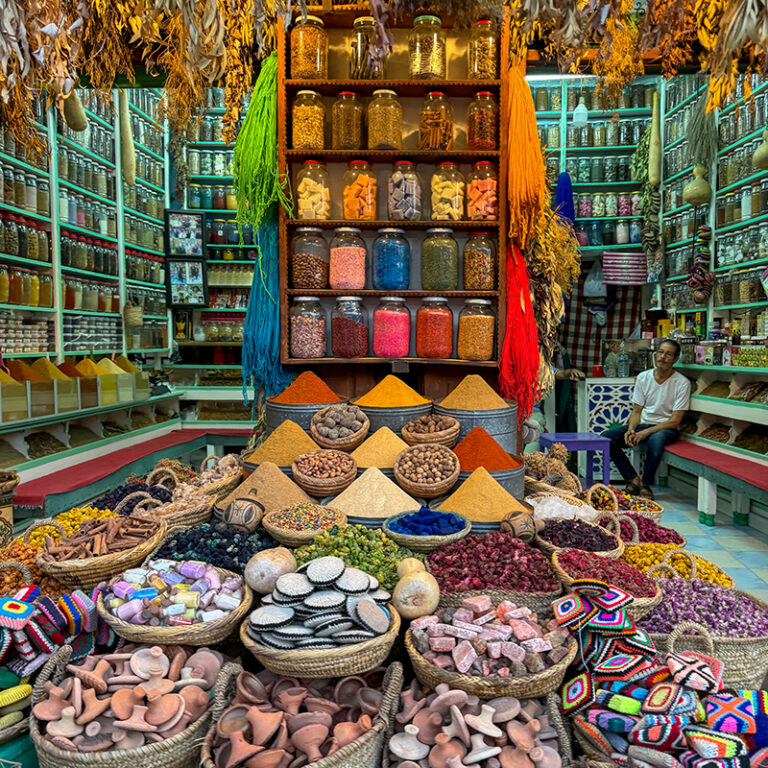
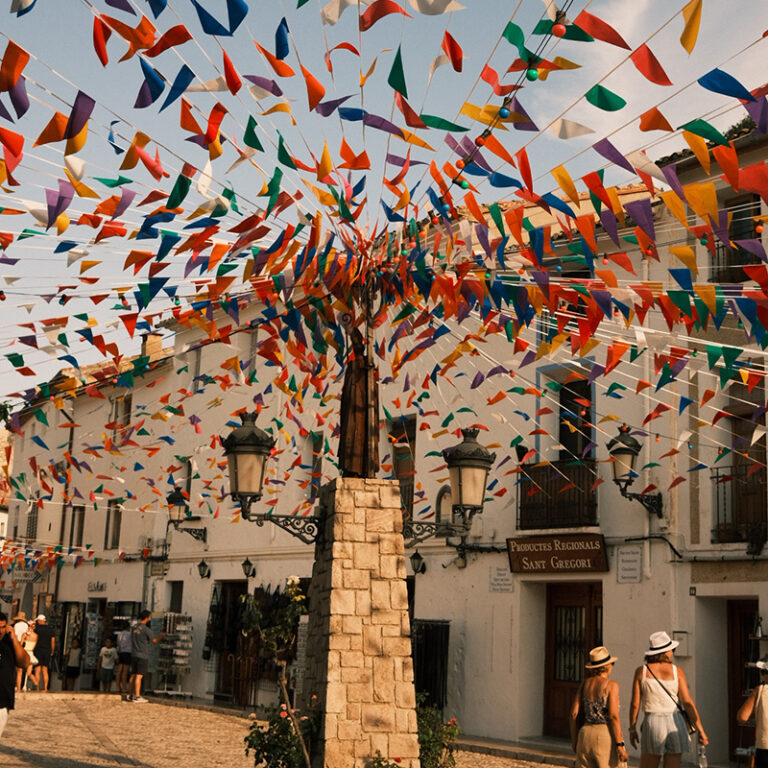
Some photos help you remember the personality of a destination. Look for street names, local signs, doors, murals, architecture, market stalls, flowers, textures, colors, and quiet corners. These details may seem ordinary while you are there, but they often become the images that make the scrapbook feel like the place itself.
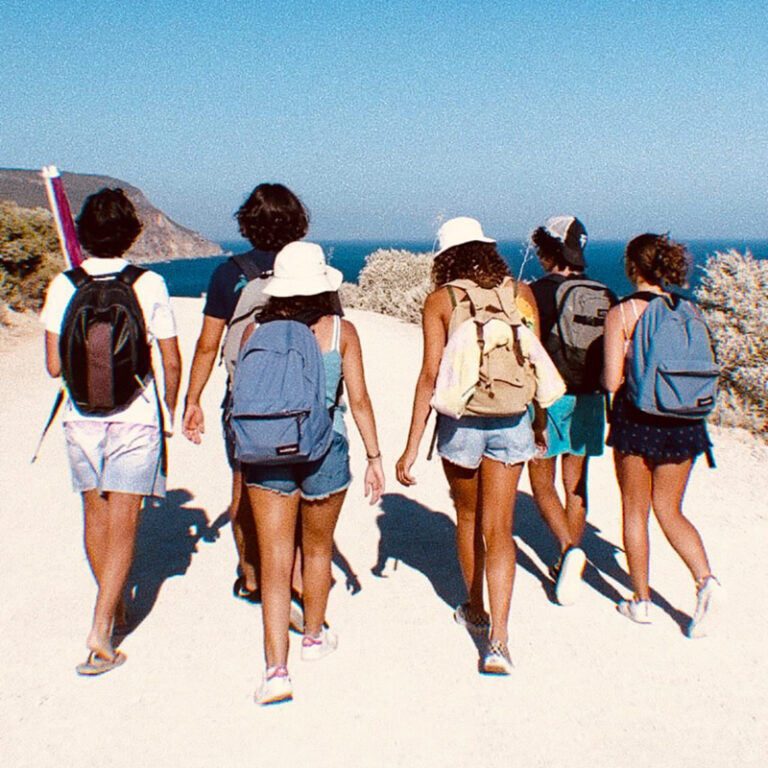
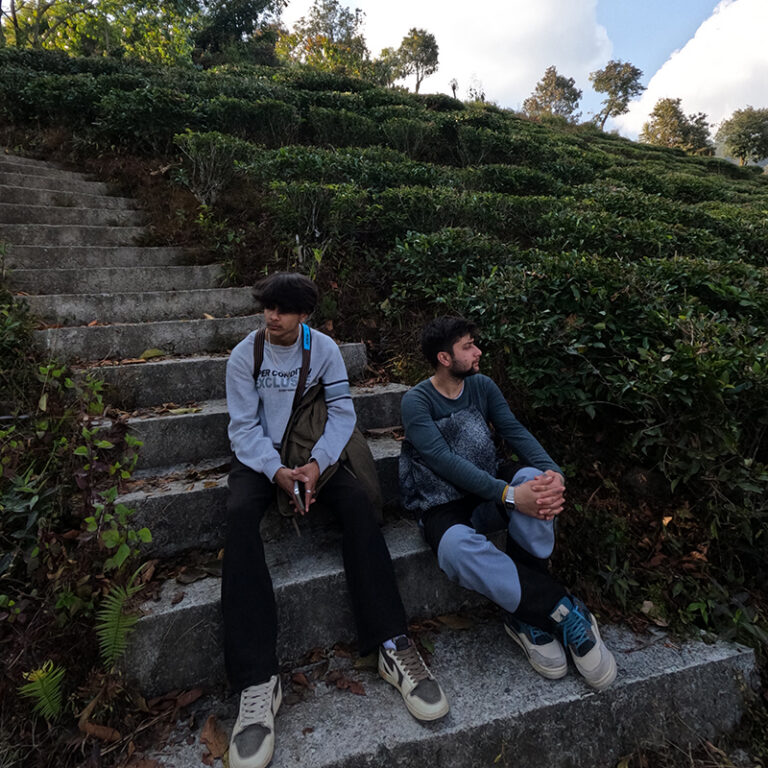
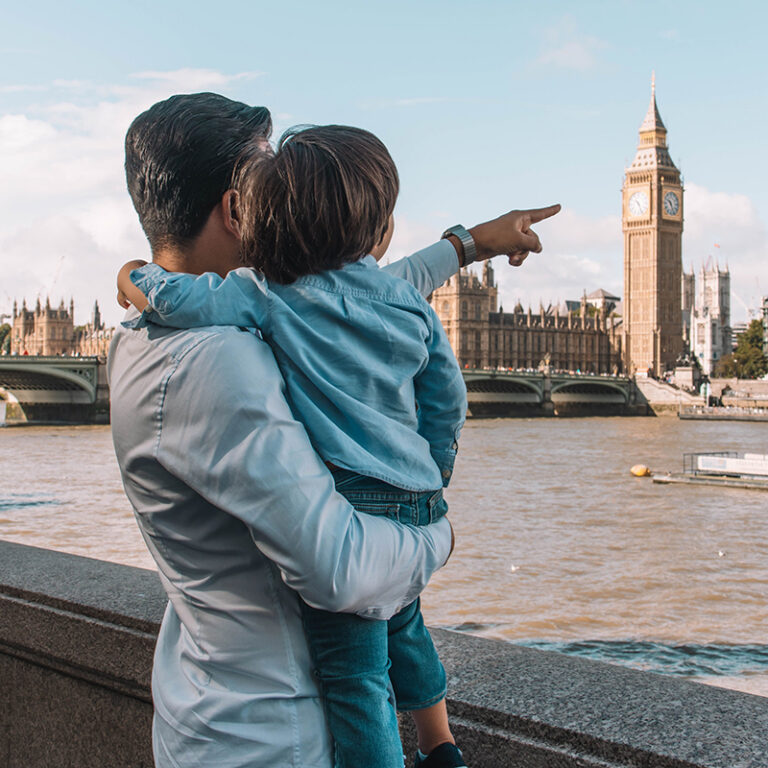
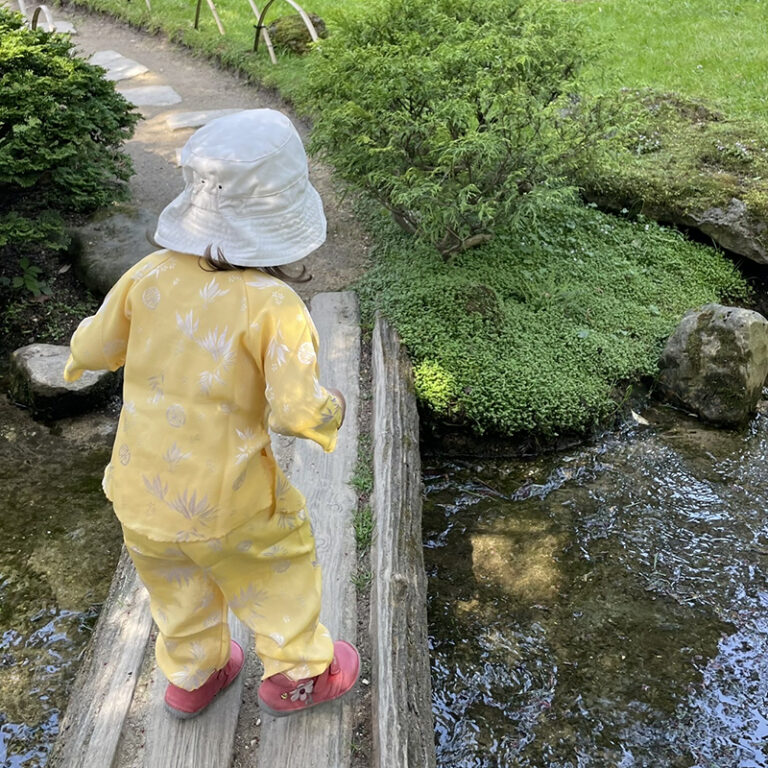
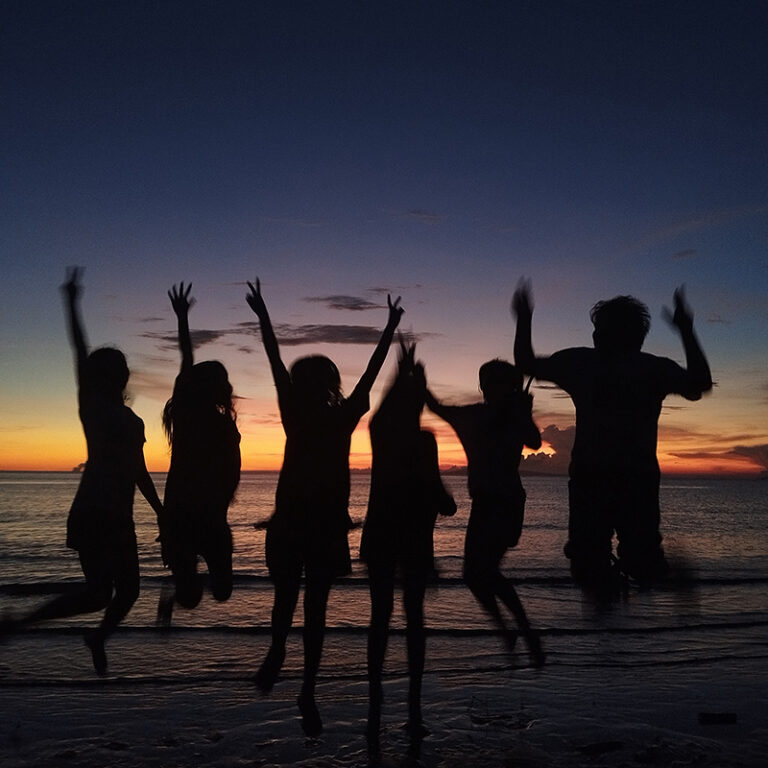
You can also take group photos with more context. Instead of only photographing a landmark from a distance, photograph your family walking toward it, standing near it, resting beside it, or looking at it together. Dawn, golden hour, rainy streets, nighttime lights, and quiet early mornings can also help you capture the destination at rest, before the busiest parts of the day begin.
The Daily Memory Photo
Goal: Capture One Honest Moment Each Day
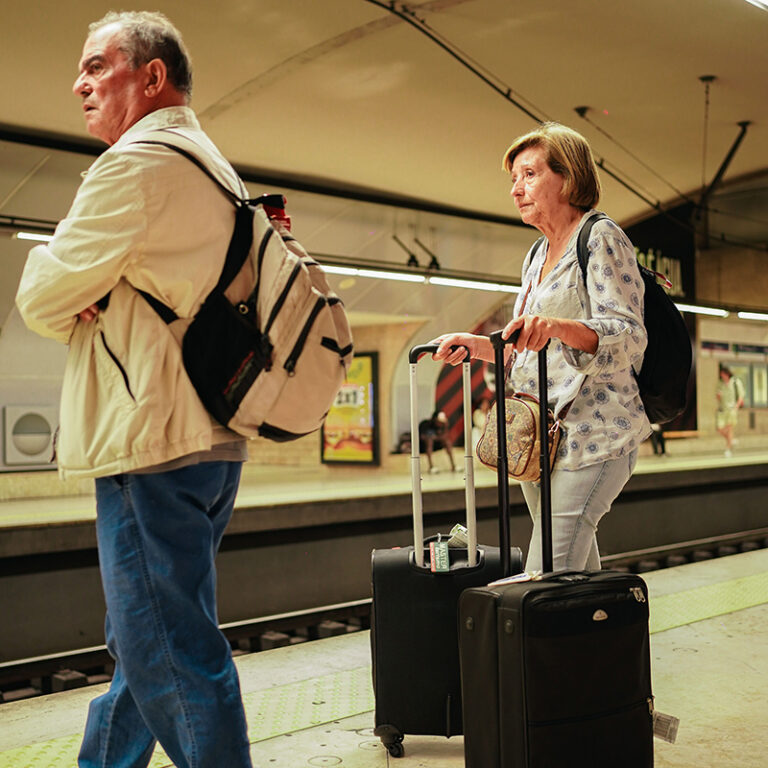
Try taking one photo each day that captures the feeling of that day. It does not need to be beautiful or perfectly composed. It might be your family looking tired after a long walk, your child laughing over breakfast, the messy hotel room, or the view from dinner.
This is a helpful practice because trips can blur together quickly. A daily photo gives each day its own anchor. If you like journaling, you can pair the photo with a few lines about how the day began, what you did, how everyone felt, and what surprised you. The exhausted moments, funny mishaps, and imperfect details often add dimension to the memory. They remind you what the trip was actually like, not just how it looked in a posed picture.
The Mom-in-the-Frame Photos
Goal: Capture Yourself in the Story
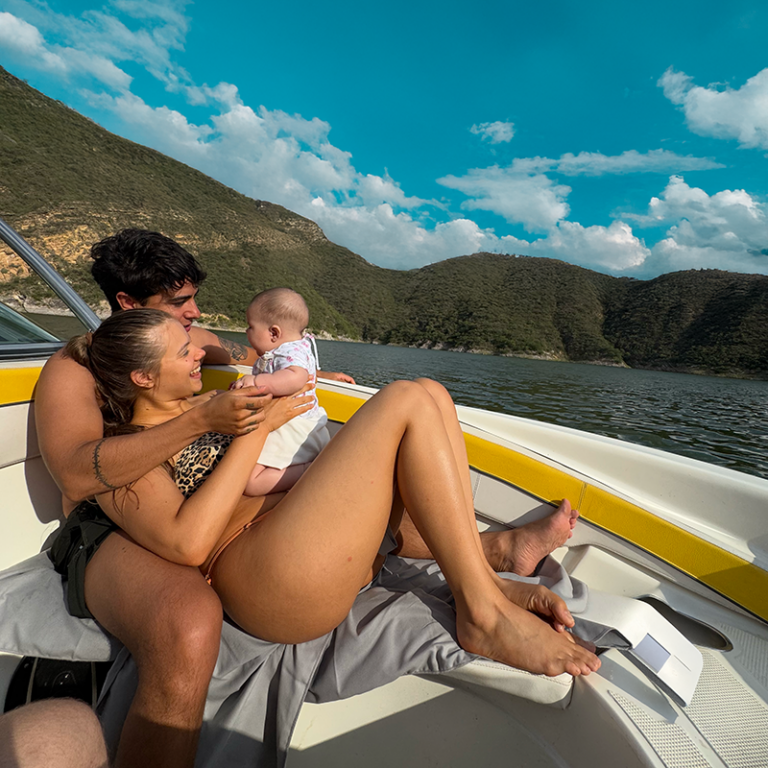
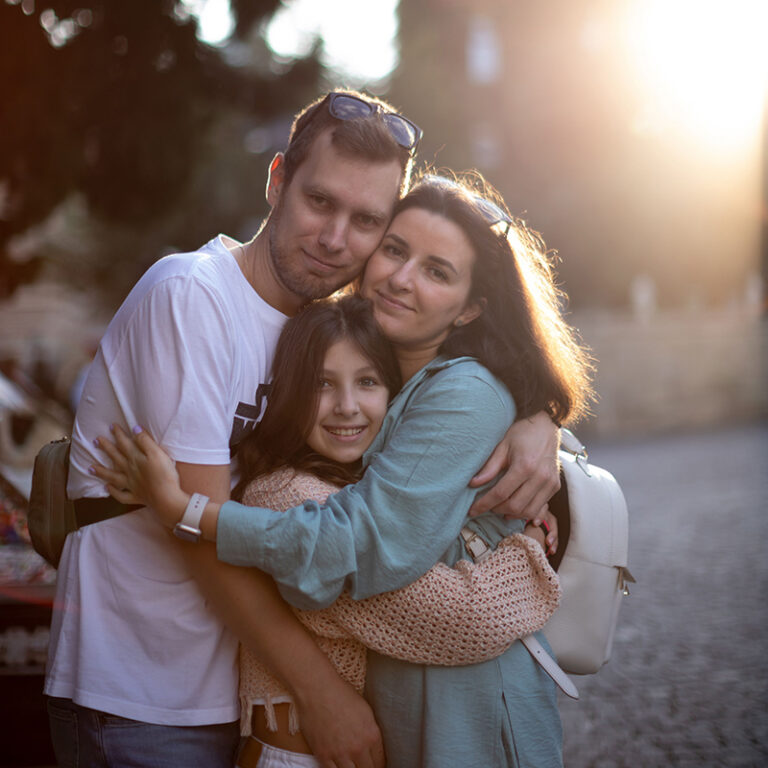
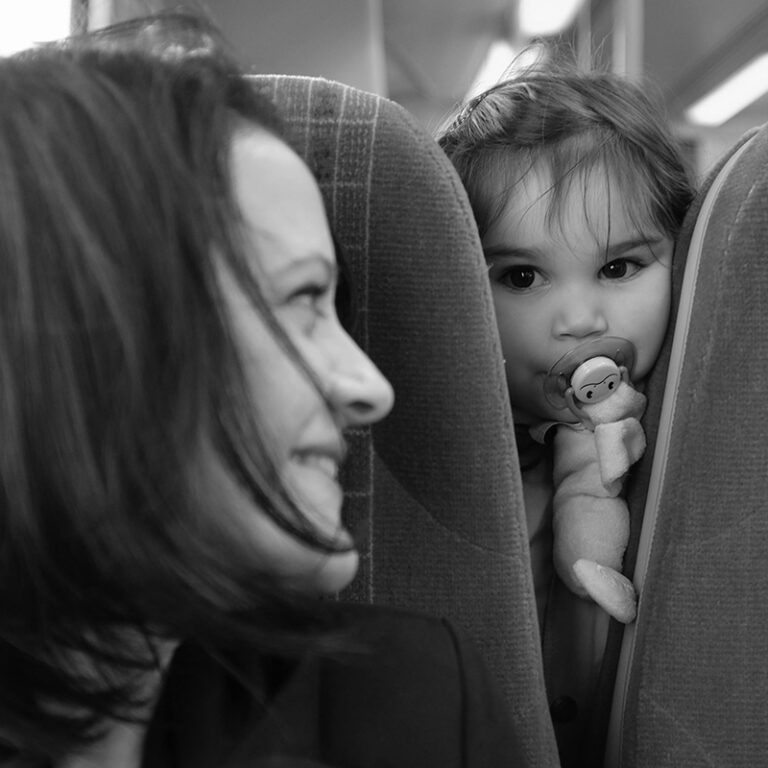
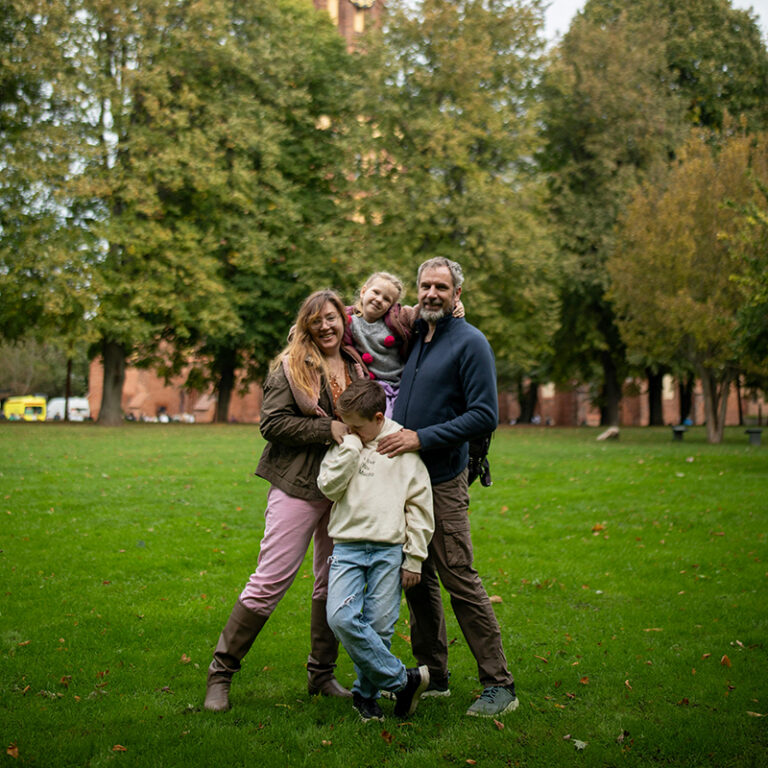
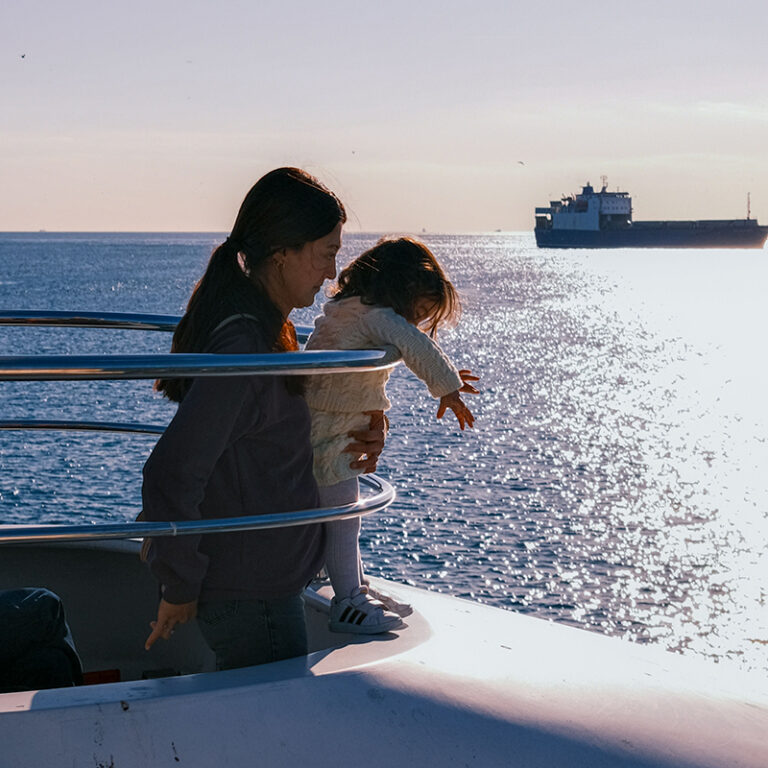
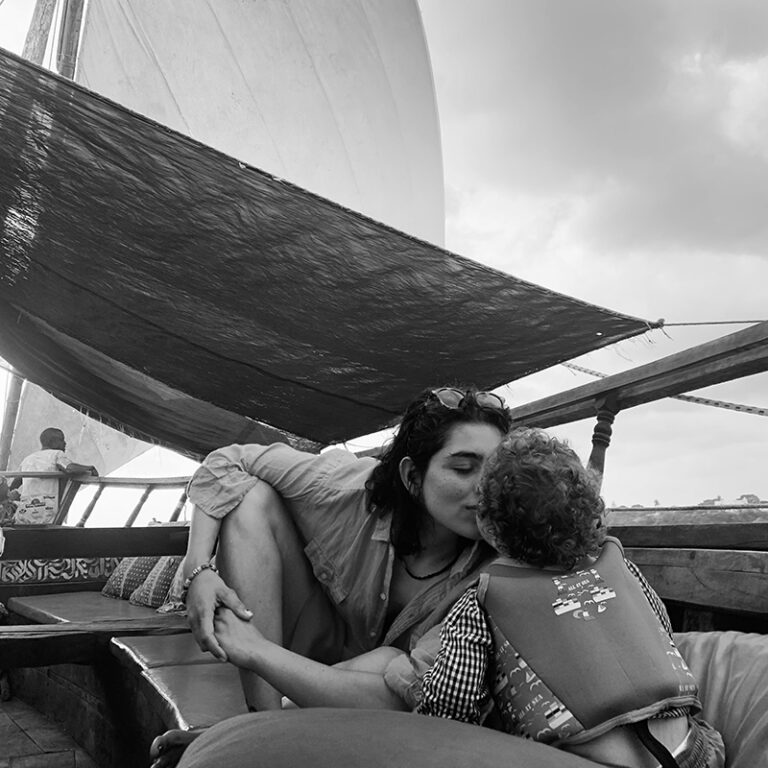
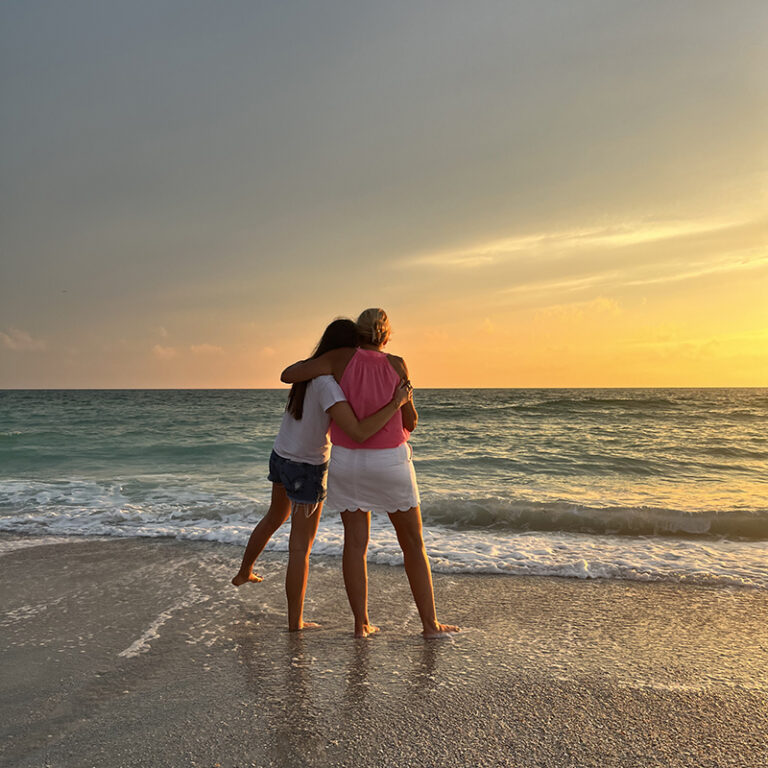
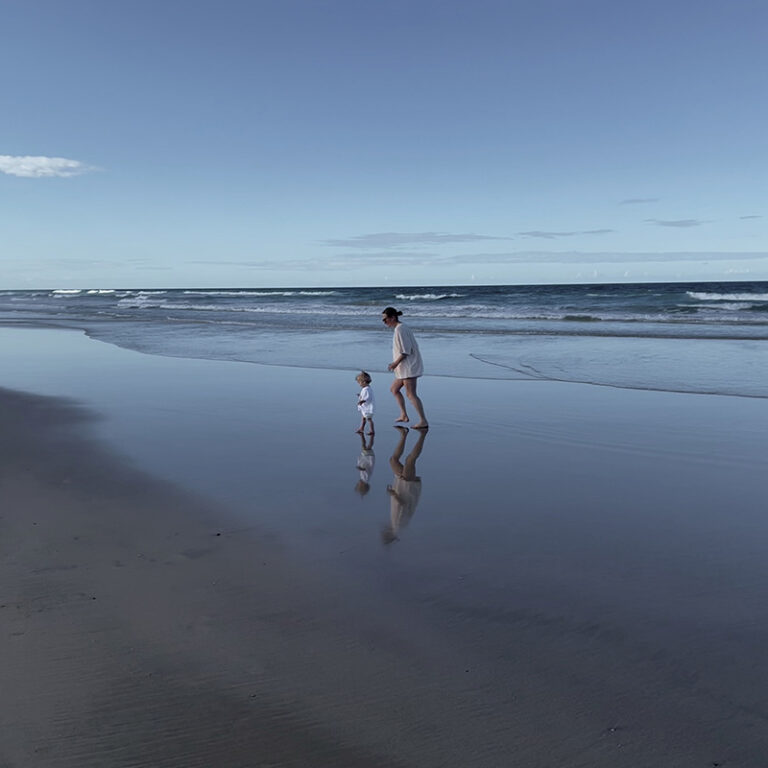
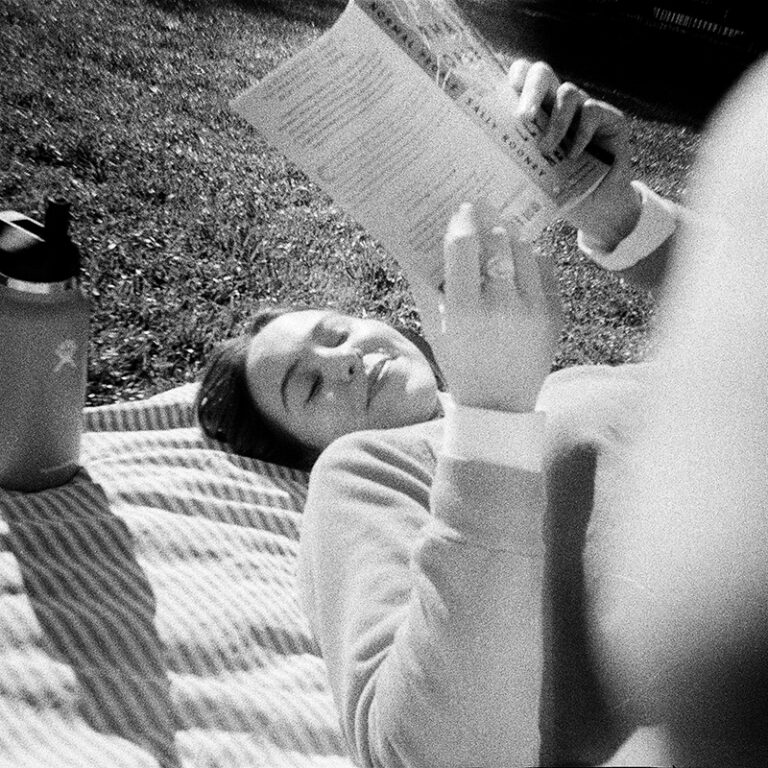
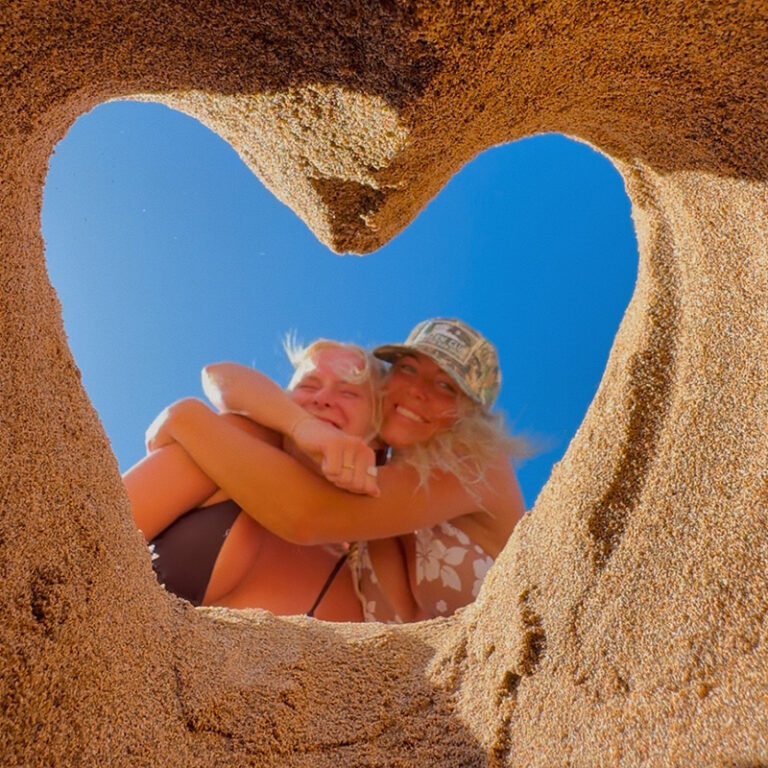
You belong in the photos too! Moms are often the ones behind the camera, which means they come home with hundreds of images of the kids and almost none of themselves. Make it a goal to get a few photos of you experiencing the trip.
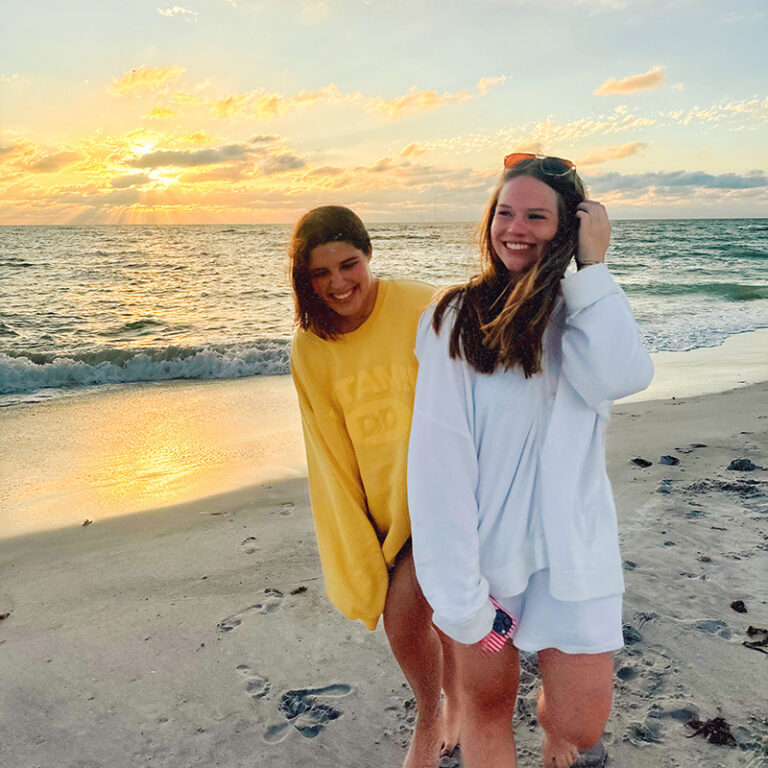
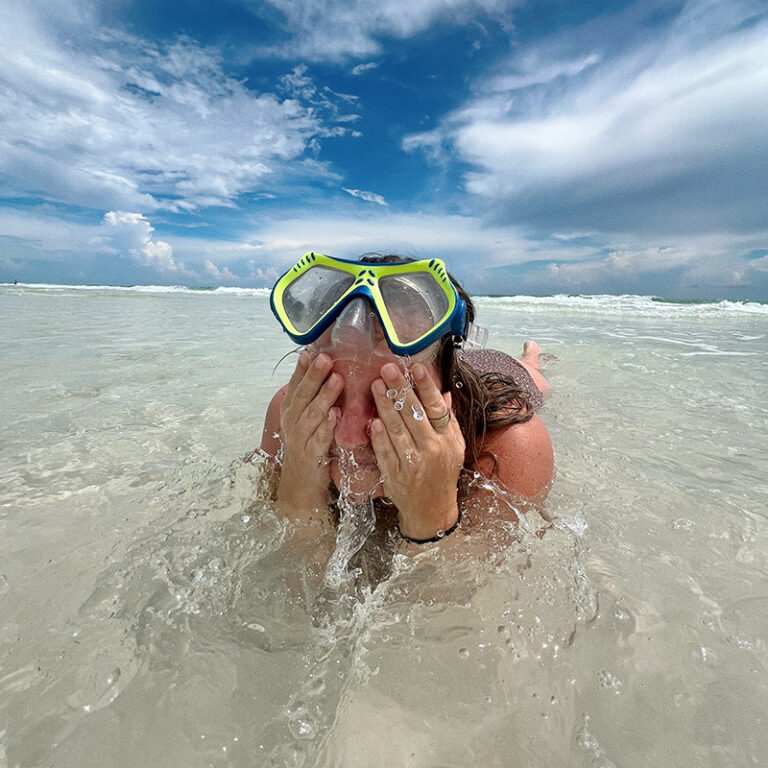
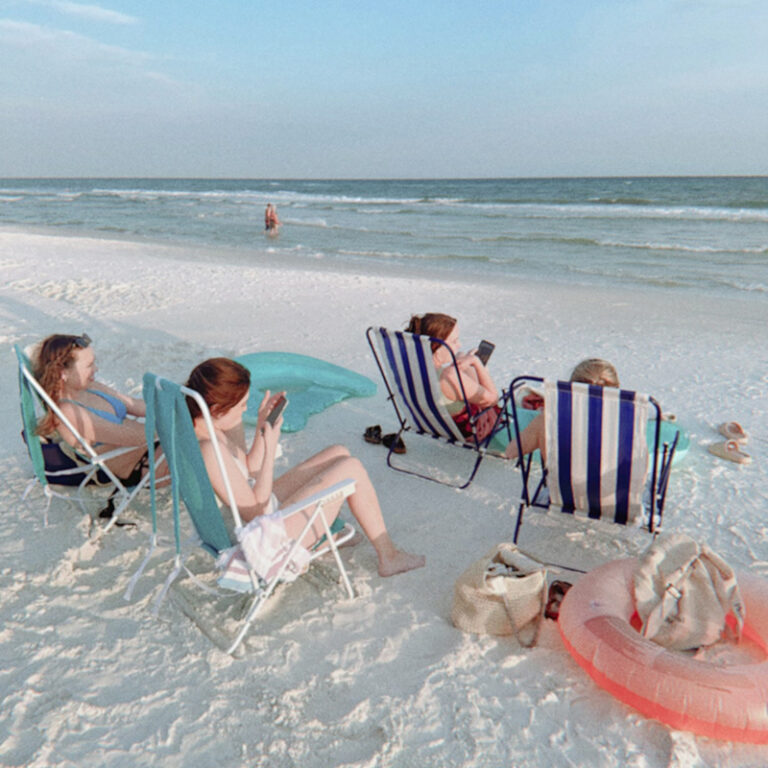
Ask someone in your group to take photos of you looking at the view, holding your child’s hand, walking through a museum, sitting at the beach, or laughing at dinner. If you are traveling with another photo-minded person, trade off. Take photos of each other being present in the experience.
You can also ask a passerby, use a tripod, or bring a small selfie stick. It may feel awkward for a moment, but it is worth it. Years from now, your children will want to see that you were there too.
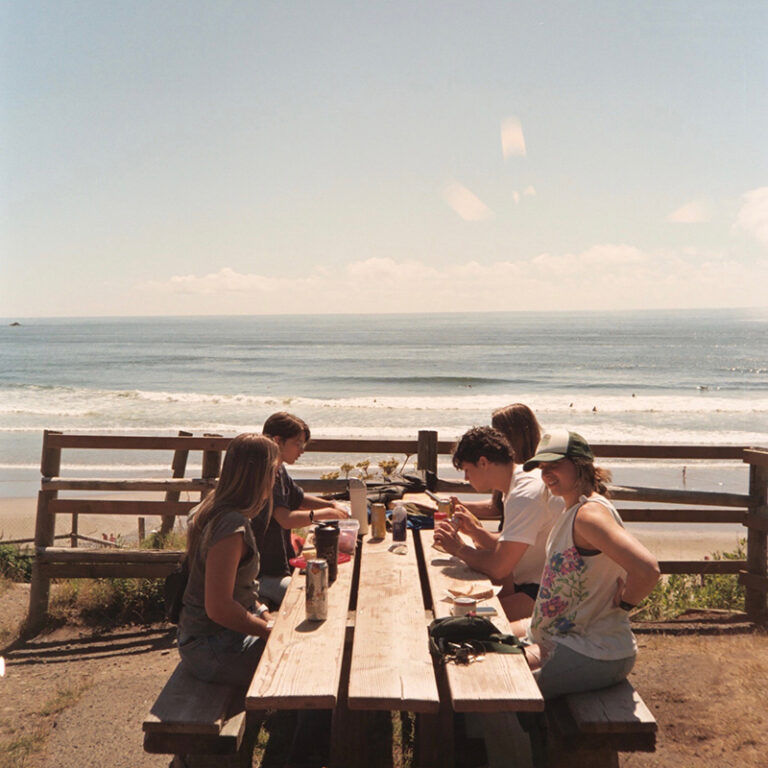
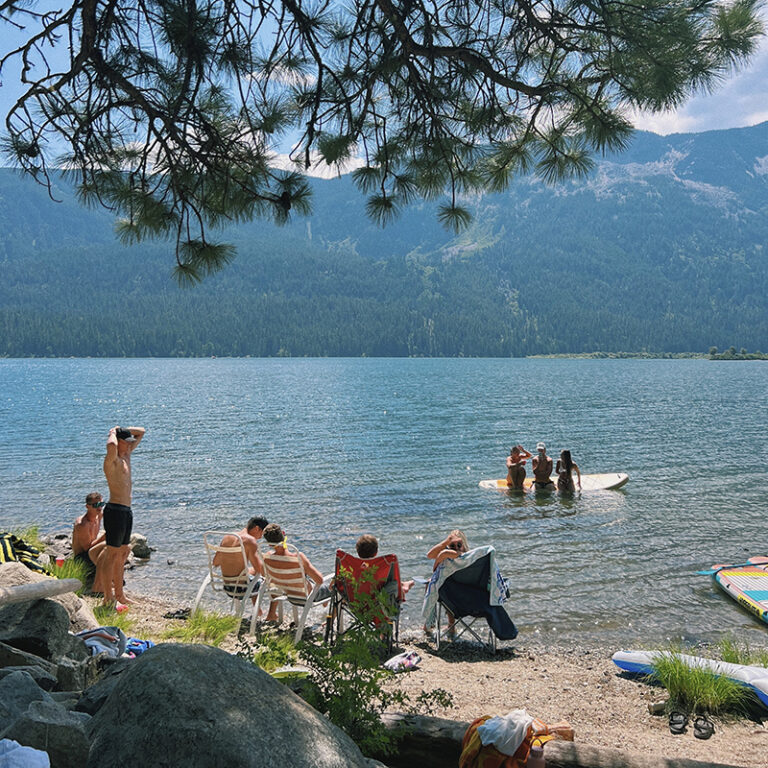
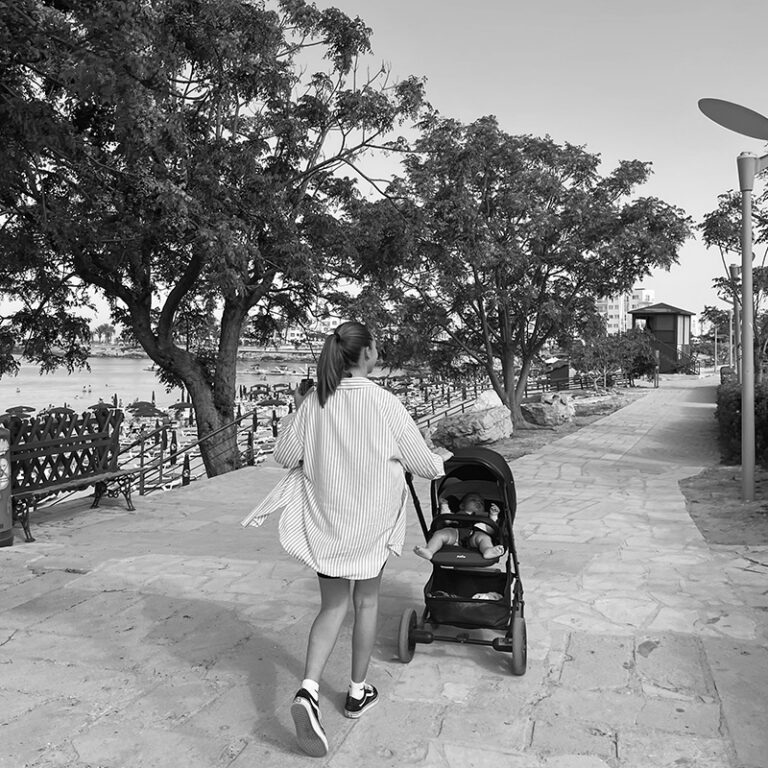
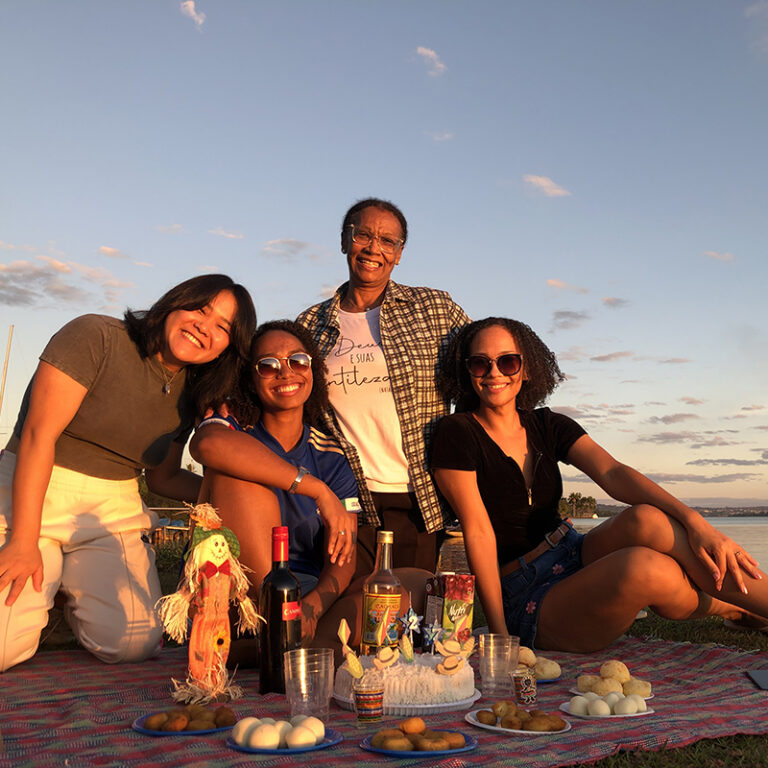
The Documentarian Photos
Goal: Capture the Trip Timeline
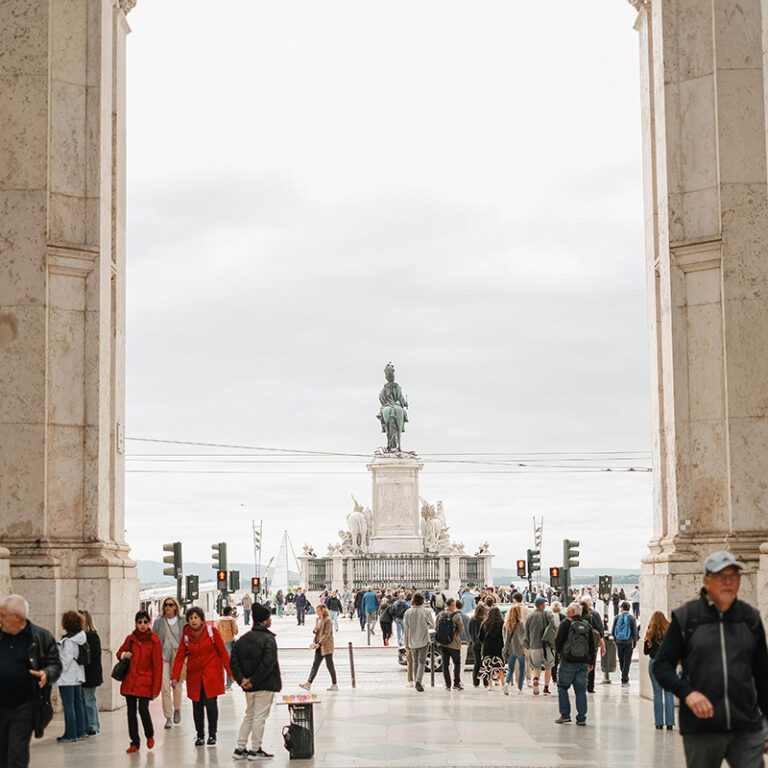
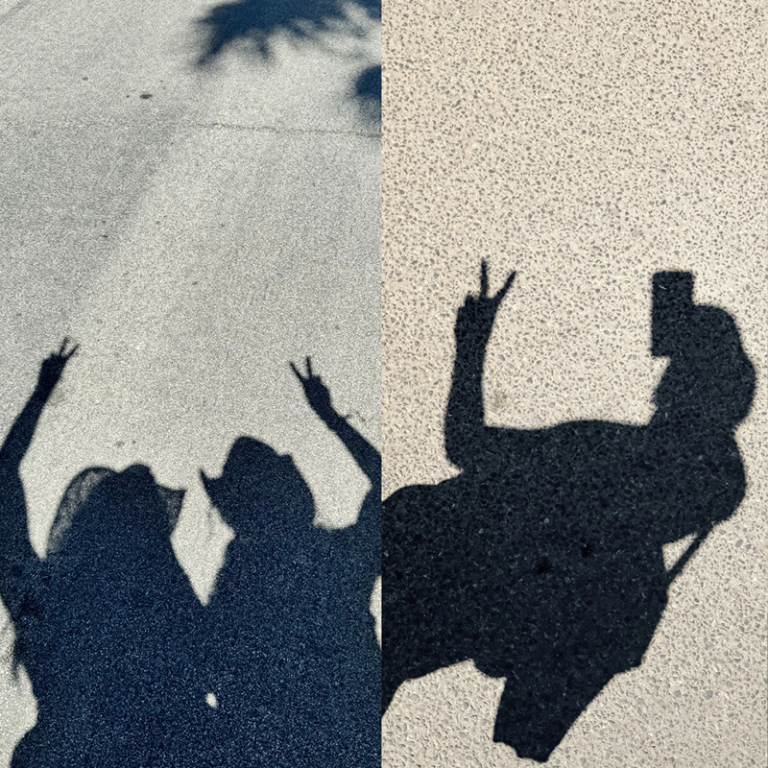
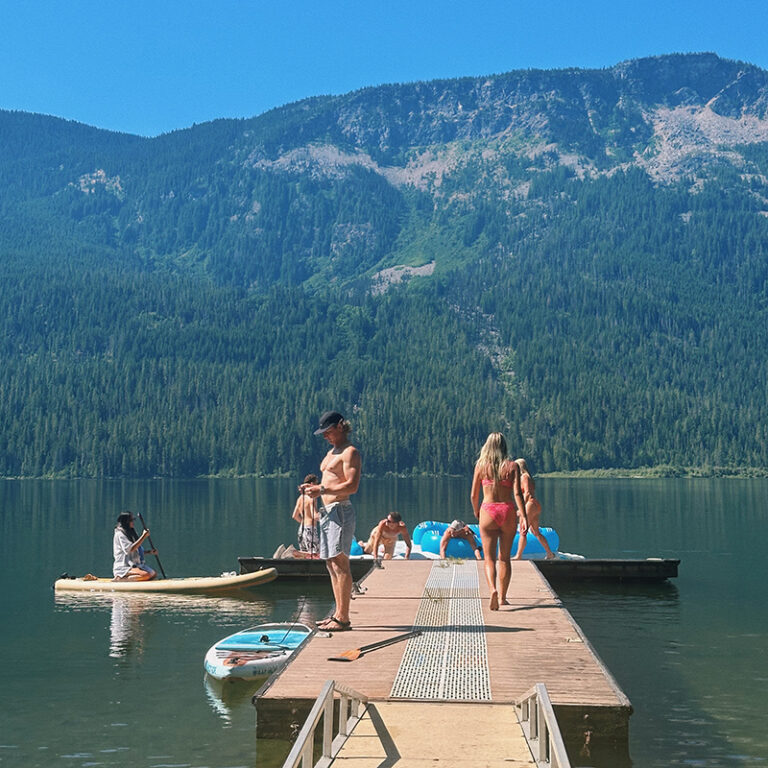
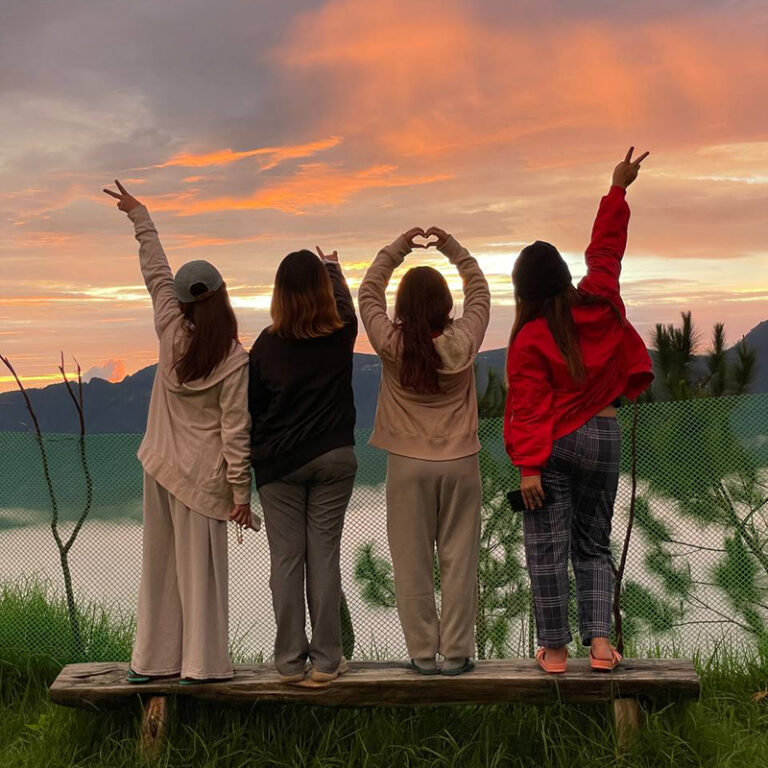
There is nothing wrong with a classic approach. The arrival photo, the final day photo, and the group photo at each major stop help create a clear beginning, middle, and end to your trip. To make these feel more creative, choose one repeated pose or tradition, such as everyone waving, holding up a sign, standing in the same order, or making a silly face at each destination. These simple repeats can become especially fun when you print the photos together in a vacation scrapbook.
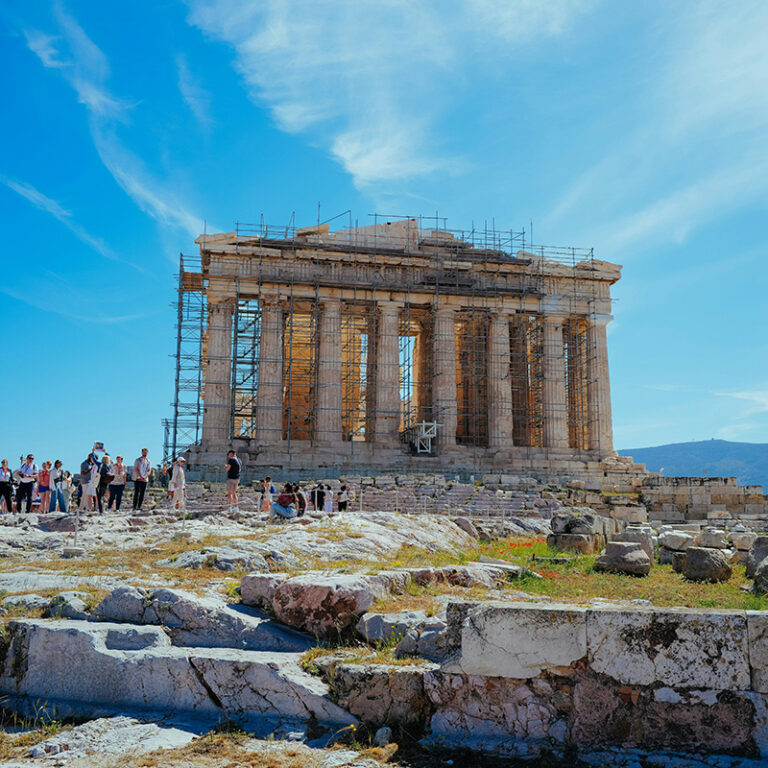
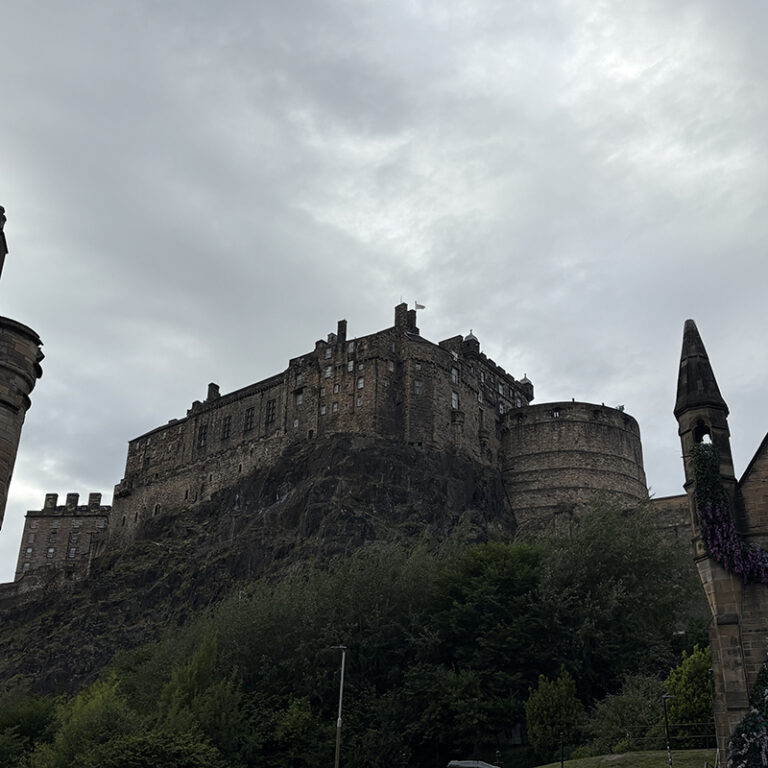
You may also want a few formal photos of the places you planned the trip around. Take the landmark photo, the landscape photo, and the wide shot of the destination. These images help set the scene. If you are visiting a place that is crowded or hard to photograph well, you can focus on capturing your family experiencing the location instead of trying to create a perfect postcard image.



The Favorite Details Photos
Goal: Capture What Inspired You
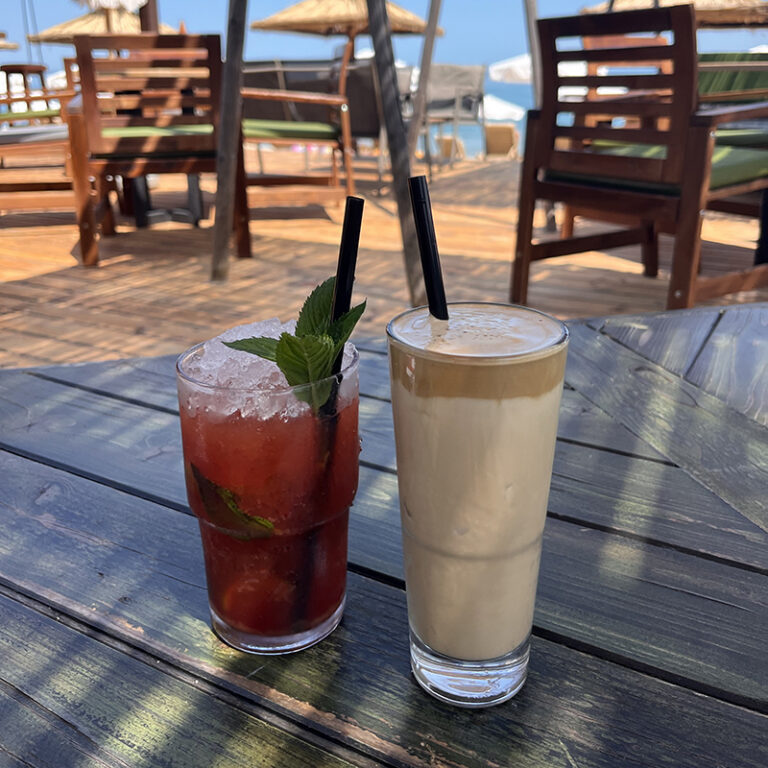
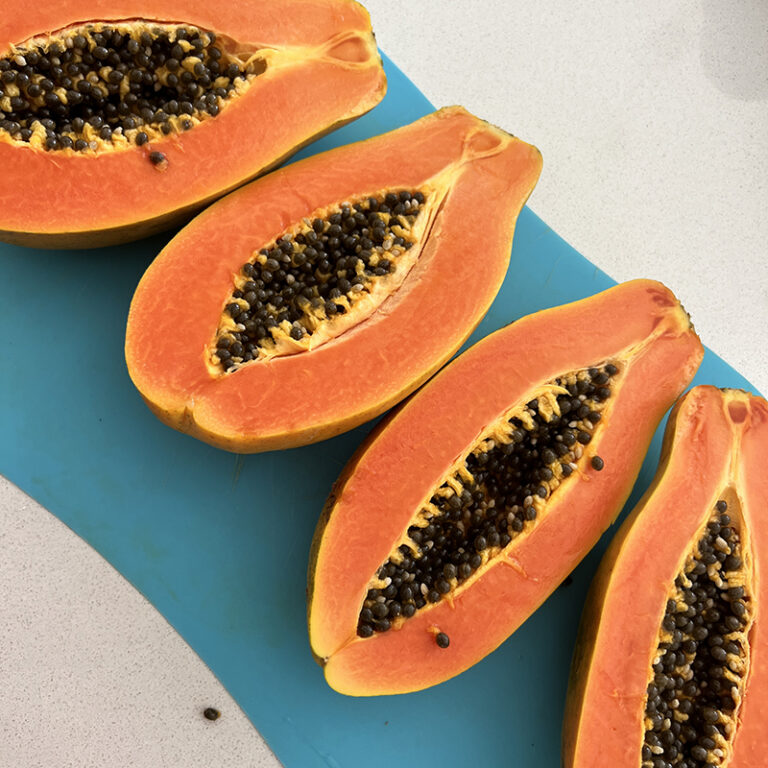
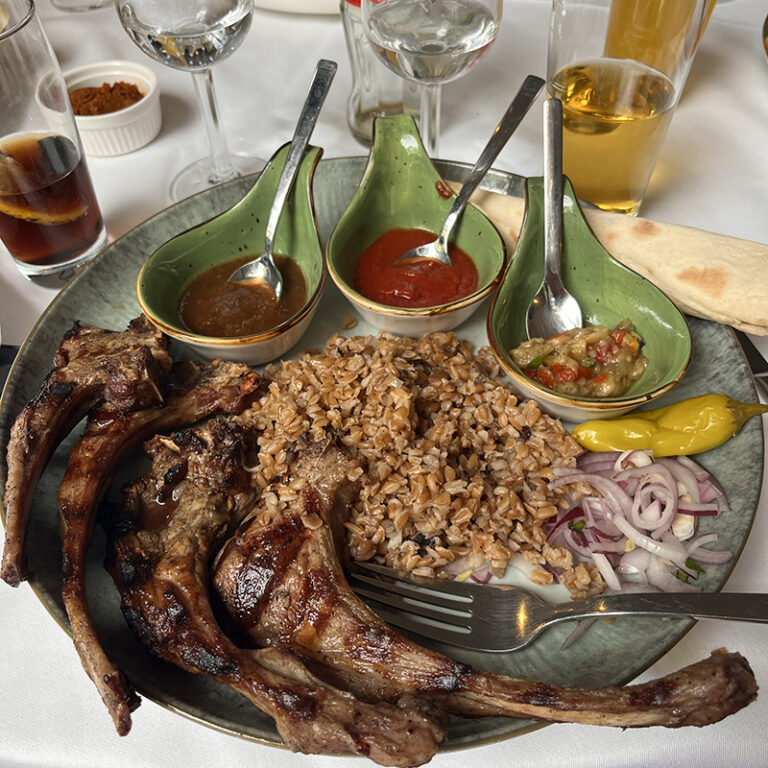
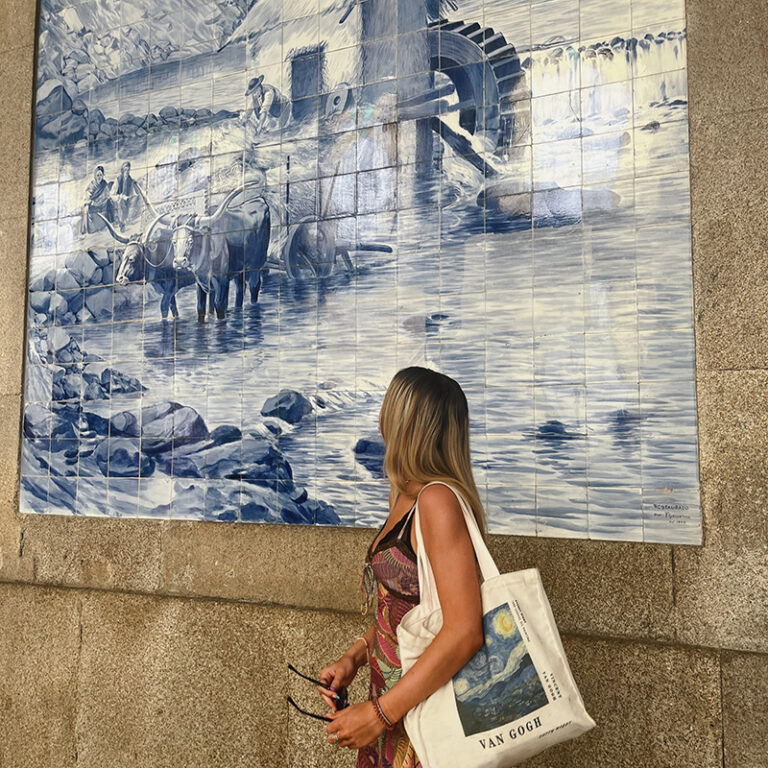
Give yourself permission to photograph the things that personally inspire you. If you love food, take the food photos. If you notice clothing, patterns, doors, murals, flowers, signs, or architecture, photograph those details. These favorites help the trip feel like your experience, not just a generic record of a destination.
A color hunt can be a fun way to focus your eye. Choose one color for the day and photograph it wherever you see it: painted walls, fruit stands, clothing, tiles, flowers, storefronts, or signs. Later, you can turn those photos into a collage or a themed scrapbook page.
These detail photos are especially helpful for memory keeping because they add texture to the story. They show what caught your attention and what made the place feel alive to you.
With a little planning, your photos can reflect the sights, the people, the mood, and the honest little details that made the trip yours. For moms, that story usually includes more than the major sights. It includes sleepy kids in the car, sandy hands holding snacks, the view from the place you stayed, the street sign you walked past every morning, the ice cream that melted too fast, and the photo of you actually being there too.
If you have always dreamt of being a National Geographic photographer and want to level up your photography skills, dive into our 7 travel photography tips for more guidance on framing and visual storytelling.
A Simple Travel Shot List for Moms
If a more basic approach would be helpful, use this list as a starting point for your next trip! Choosing a few shots from this list (or trying to capture every shot!) can help you create a more complete story.
- One arrival photo
- One final day photo
- One family or group photo at a meaningful location
- One photo of each child by themselves
- One photo of you in the frame
- One photo from your point of view
- One hands or detail photo
- One food photo
- One transportation photo
- One view from where you stayed
- One local sign, street name, or doorway
- One honest tired, funny, or imperfect moment
These photos will help you capture people, place, perspective, emotion, and time.
How to Take Better Travel Photos Without Missing the Moment
After being inspired by different photography approaches, create a loose plan of what types of photos you want to capture. You can choose to focus on a specific technique, or combine a mixture of different shot ideas! You do not need a complicated shot list, just to be thoughtful and contemplate what types of images will help you tell the story later.
Once you have your planned shot list, decide when you will take these photos. We recommend taking photos in short, intentional bursts, and then putting the phone/camera away. Think of your camera as a memory tool that helps support your memory keeping, not replace the memory itself. When you are excited about a location, it can be so tempting to always keep the camera ready at your hip. While it is understandable to have the camera always out during specific activities like a guided tour, at other times it is better to be in the moment with your family, and pull it out for specific shots that align with your planned shot list.
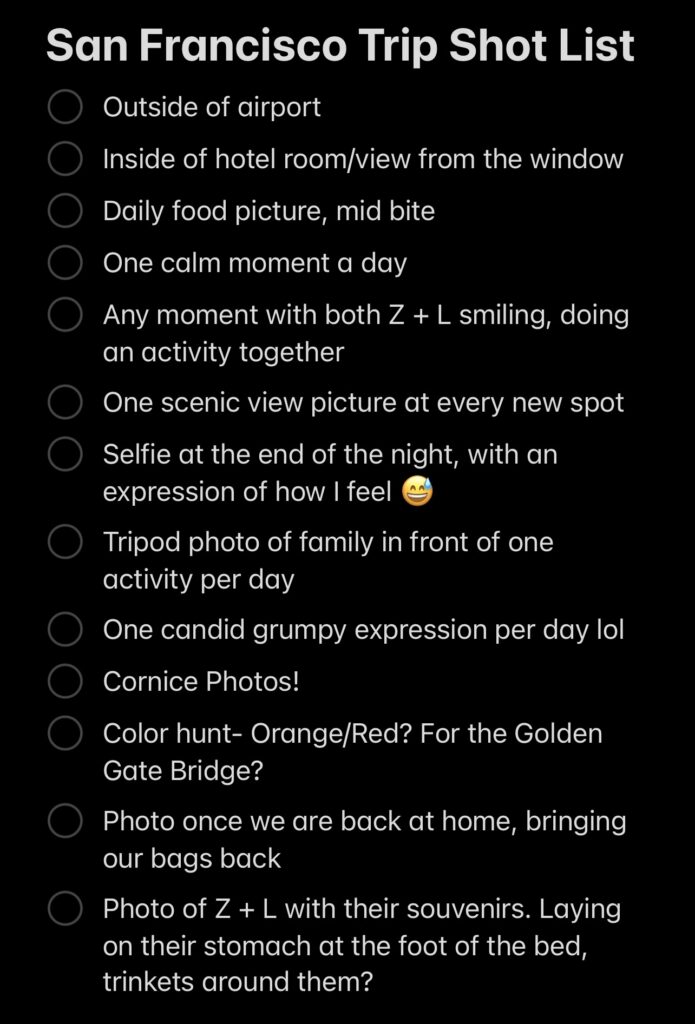
Need help remembering your shot list? We recommend taking a photo or screenshot of your list, and then making that image the lockscreen on your phone during your vacation. It is a non-obtrusive way to help you to remember the shots you want to capture, and is easily accessible with the touch of a button.
Edit Your Travel Photos to Feel Like the Memory
A little editing after you return from your trip can help your photos look closer to what you remember. The idea of editing photos can be intimidating when you are just starting out, but you do not need complicated software or a dramatic filter. You can make small adjustments within your phone’s photo library app to make a phone photo feel more alive and help the photo reflect the feeling you had when you took it. Every single photo included in this guide has undergone at least slight color editing to help them look their best!
Here are some common basic adjustments people make when editing photos taken outdoors:
- If the image feels too dark, increase the exposure or brightness
- If the image’s colors feel flat and less vibrant, increase the saturation and/or vibrance
- If the colors feel too cool, increase the temperature or add a little more yellow/red
- If the image feels flat, adjust the contrast or shadows for some depth.
Once you are comfortable with basic editing, we recommend capturing photos a touch dark or with lower exposure, and then brighten them later while editing. This photography approach usually results in more flexibility with editing, since the camera’s sensor is able to capture more color data in darker settings compared to harsh, blown out lighting.
Editing is also a good time to choose your favorites. Instead of keeping every version of the same image, pick the ones that tell the story best. Those are the photos you will be most likely to print, share, and place in a travel scrapbook.
Edit Your Travel Photos to Feel Like the Memory
Your travel photos deserve to become more than a folder on your phone. When you print your travel photos, they become part of your family story. They become something your children can hold, look through, ask questions about, and remember.
Because these memories matter, choose high-quality photo printing that is made to last. Help the color, clarity, and emotion of your trip to be preserved for years through a vacation scrapbook, traveler’s notebook, or simple photo album. These prints will help connect your family to the communities, landscapes, traditions, and local details you encountered along the way.